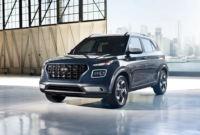
The US automotive market faced a storm in 2025. The combination of a historic decline in new vehicle sales and the continued imposition of tariffs to auto imports by the Donald Trump administration triggered an unprecedented shortage of used cars, especially those more than three years old.
The domino effect of 2022
In 2022, new vehicle sales in the United States fell to 13.8 million units, the lowest figure since 2011. This drop was largely due to the crisis caused by the COVID-19 pandemic, which disrupted supply chains and reduced production.
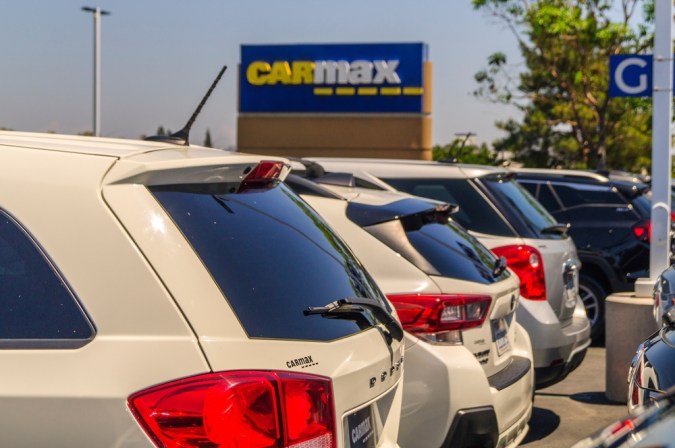
Three years later, in 2025, this decrease translates into a shortage of used vehicles of three years, which are highly valued by buyers for their balance between depreciation and remaining useful life. Ivan Drury, CIO of Edmundspoints out: “If you turn to the second-hand market in 2025, you will find fewer almost new vehiclesmodels with two, three or four years.
Tariffs and their impact on the market
Added to this situation is the imposition of 25% tariffs on vehicle imports by Donald Trump’s government. These tariffs, intended to boost national production, car prices increased significantly new imported.
According to experts, these tariffs increased the costs of new vehicles between $4,000 and $12,500, depending on the model and its origin. This price increase has led many consumers to turn to the used car marketincreasing demand at a time when supply is already limited.
Consequences for consumers
The combination of reduced supply and increasing demand has caused used vehicle prices to rise. By mid-2025, The average price of a used vehicle reached $24,402while that of a new vehicle was close to $50,000 dollars.

Additionally, the lack of incentives and discounts in the new car market, due to tariffs and increased costs for manufacturers, has made the option of purchasing a used vehicle even more attractive to consumers.
Future prospects
The used car shortage and rising prices could persist for years to come. It is expected that new vehicle production gradually recoversbut the effects of the pandemic and tariff policies continue to generate uncertainty in the market.
Consumers will need to be more strategic in their purchasing decisions, considering factors such as depreciation, total cost of ownership, and available financing options. Additionally, there is likely to be an increase in the popularity of older or higher mileage vehicles, as well as demand for maintenance and repair services.
Conclusions for 2026
The year 2026 is shaping up to be a challenging period for car buyers in the United States. The shortage of used vehicles, driven by the drop in sales and the recent tariff policies, has transformed the panorama of the automotive market.
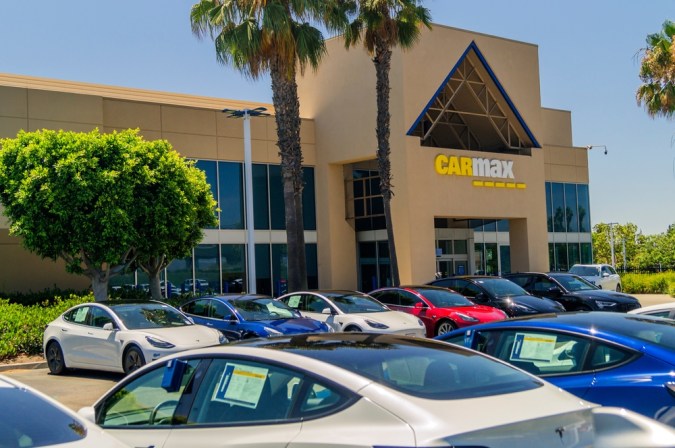
Consumers will have to adapt to this new reality, exploring various options and strategies to satisfy their mobility needs in an high price and limited supply environment.
You may be interested in: