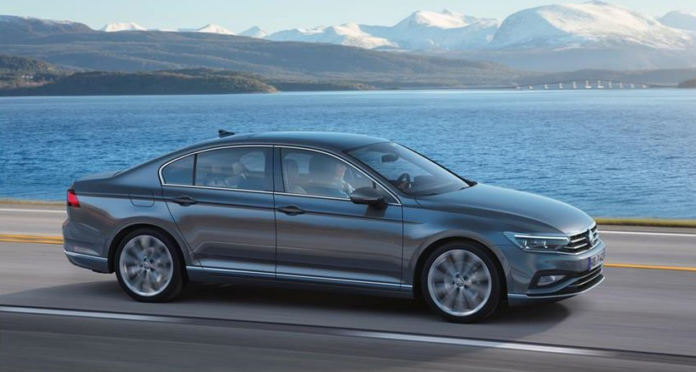
For years, the Volkswagen Passat has established itself as one of the key pieces in the world of mid-size sedans. Specifically, the stage from 2016 to 2019 enjoys enviable popularity today; It is the favorite option for those looking for a car that balances absolute comfort, enviable spaciousness in the cabin and that sober aesthetic that seems to ignore the passage of time.
In the field of used vehicles, this example stands as an intelligent route to avoid overspending, delivering high-end driving sensations and that distinctive seal of mechanical solidity that so characterizes the German manufacture.
However, let’s be honest: buying a used one always requires looking under the magnifying glass and understanding what could go wrong. It is normal that if you have your eye on this edition, you are worried about the “sins of youth” or the typical defects of the Passat range of those years. Being aware of these details is not only to save you headaches when investing your money, but also so that, if you already have it in the garage, you can anticipate any mechanical scare before the workshop bill skyrockets.
In the following lines we are going to explain to you, one by one and without detours, what users and experts tend to report most. We will evaluate how robust the car really is and we will share the best tips so that your next purchase is a total success.
Most common faults of the Volkswagen Passat 2016-2019
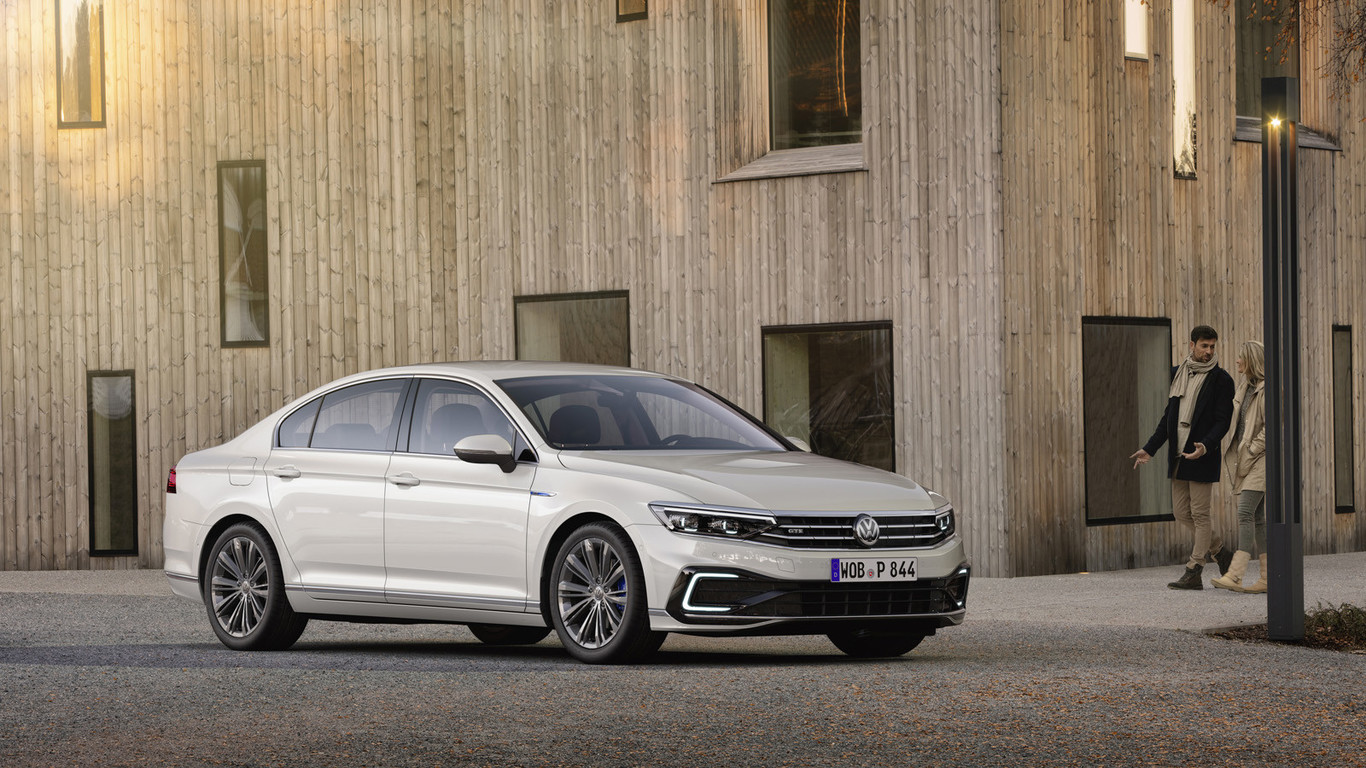
In general terms, the Passat manufactured between 2016 and 2019 It is a robust car with engineering that feels solid to the touch. By sharing “heart” and pieces with other bestsellers of the group Volkswagenhas a well-established mechanical base. However, it is not a perfect car; Despite its reputation for being comfortable and efficient, both in trusted workshops and in driving communities, a pattern of «ailments» that should be on the radar.
Most of these setbacks tend to focus on three fronts: the transmission, certain electronic components and the supercharging system. Next, we break down the points where the Passat usually falters.
The challenge of automatic transmission
The behavior of the gearbox is probably the topic that generates the most conversations among owners. Depending on the version you choose, you may encounter the classic Tiptronic or with the famous Dual clutch DSG.
The symptoms that usually set off alarms are:
Abrupt transitions: When going from first to second or when downshifting, the car gives small jerks or jerks that break that much-sought-after feeling of smoothness.
Lack of reaction when starting: That moment of doubt when you step on the accelerator from zero and the car takes a while to start. “wake up”something that can make you nervous on a quick merge or at a roundabout.
Strange vibrations: Especially when the engine is relaxed at low revs, you may notice noises or tremors that seem to come from the belly of the car.
What’s behind this? In DSG boxes, the culprit is usually the wear of the clutch discs or a failure in the Mechatronics (the brain that manages changes). In traditional automatic machines, it often comes down to software that needs updating or neglected maintenance; The oil in the box does not last forever and, if it degrades, precision is lost.
Quirks of the electrical system
Nowadays, a car is almost a computer on wheels, and the Passat It has its own electronic personality. Here the failures range from simple anecdotes to alerts that force you to schedule an appointment at the workshop.
The most reported by users includes:
Rebellion in infotainment: Screens that remain “frozen”unexpected restarts in the middle of a trip or a Bluetooth that decides to ignore your phone without warning.
Wizards that fail: Parking sensors that beep without obstacles nearby or reversing cameras that go black just when you need them most.
“Ghost” alerts: Indicators that illuminate randomly on the instrument panel. Many times there is no real fault, but simply a battery that is reaching the end of its life or a fuse that makes poor contact.
The turbo under the magnifying glass (TSI Engines)
The TSI engines (like the 1.8 or 2.0) are wonderful because of how they push while spending little, but the turbo is a piece that works under brutal thermal stress.
If the turbo starts to complain, you will notice the following:
Sudden tiredness: The car loses that “nerve” characteristic, it is difficult to gain speed on the highway and can even enter the famous “emergency mode” to protect yourself.
The “ambulance whistle”: If you hear a high-pitched and persistent beeping sound when accelerating, it is a clear sign that the internal blades are suffering or that there is an air leak in the circuit.
Unusual lubricant consumption: If the internal seals of the turbo fail, the oil leaks where it shouldn’t and ends up burning, which will force you to constantly monitor the level.
Normally, the origin is in the accumulation of carbon (typical of direct injection) or in a discharge valve failure (wastegate).
Oil management: a topic of debate
This is the “eternal dilemma” among brand loyalists. Some units from these years have an appetite for oil that many owners find excessive.
Although the manufacturer’s manual says that consuming a certain amount is “expectable”For the average user, it is annoying to have to carry a can of oil in the trunk to refill between checks. If consumption skyrockets, the usual suspects are usually the piston rings, the PCV valve or, again, the turbo seals. The golden rule here is not to rely only on witnesses and take out the dipstick at least once a month.
Sensors and the “Christmas tree effect”
To finish, the Passat 2016-2019 sometimes he is alarmist. It is not unusual for the instrument panel to be filled with lights (Check Engine, ABS or tire pressure) for minor errors.
Sometimes a simple dirty oxygen sensor or speed sensor on a wheel that’s been through too many bumps can cause a festival of warning lights. Even if the part is cheap, the visual shock is inevitable and forces you to go through the scanner to confirm that it is nothing serious.
Is the 2016-2019 Volkswagen Passat reliable?
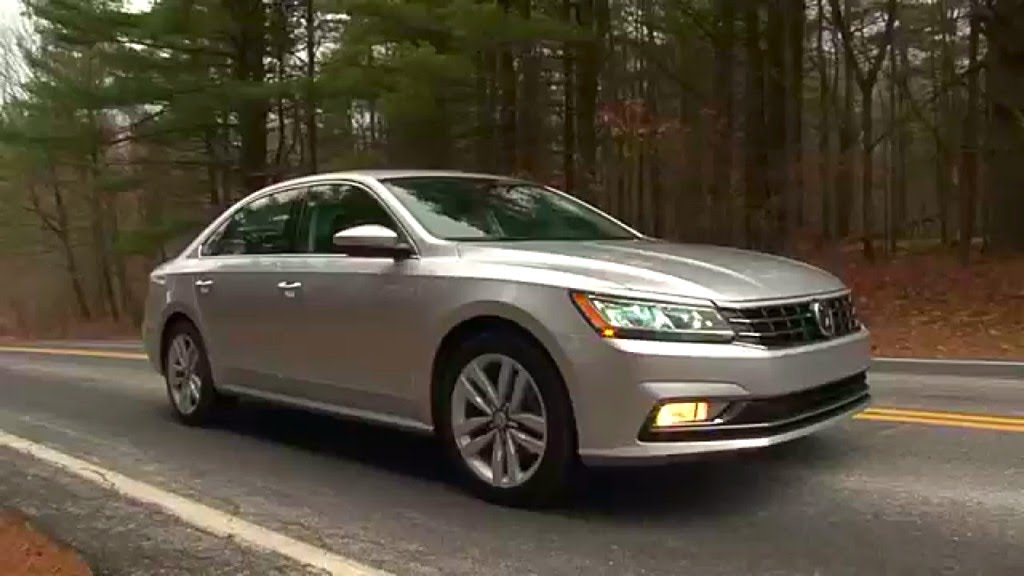
If you’re looking for a quick answer to whether a used Passat It’s worth it, the answer is a “Yeah”but with conditions. Unlike Asian brands like toyota either Slingwhich are usually more “suffered” and they forgive carelessness a little more, Volkswagen’s German engineering does not negotiate: it demands British punctuality in its maintenance.
Looking at it in perspective, both the engine block and the chassis are extremely robust. If they have been properly pampered, it is not uncommon to see units exceeding the 200,000 kilometers with enviable integrity. In fact, its reputation for having superior finishes and soundproofing that isolates you from the outside world puts it a step above almost all of its direct rivals.
However, you have to be realistic with your pocketbook. Maintaining or repairing it usually stings a little more than other brands; Both original spare parts and qualified labor require a somewhat larger budget. Therefore, the reliability of this car does not depend so much on the factory, but on the hands through which it passed before reaching yours.
A Passat With the service book sealed in due time it will be an exceptional and dedicated travel companion. On the other hand, a neglected unit can soon become a black hole of money due to the transmission or turbo. In this car, life history is everything.
What to check before buying a used Passat
If you are already convinced that this is your car, slow down a little and don’t go crazy. In order not to eat the brown ones that others did not want to fix, here are the points that you have to review yes or yes before the money flies from your account:
Investigate his “past life”: Ask for invoices, don’t just trust the seller’s word. What should matter most to you is not whether it shines on the outside, but whether it has been pampered. DSG box every 60,000 km. If there is no paperwork to prove it, you are basically buying a lottery ticket where you almost always lose.
Give it a try (without fear): Forget about walking around the block. Put him in one of those traffic jams “first, brake, first”and then hit the highway to see how it responds. If when you put the reverse gear you notice a knock or if when you put the pedal to the metal the car hesitates or jerks, turn around and look for another one.
The scanner is your best friend: Nowadays, clearing a warning light on the dashboard is very easy. Take someone who knows how to connect a machine diagnosis (OBD2) to see what is hidden in the car’s memory. That’s where the truths that the seller usually comes out “forget”.
Look for suspicious “sweats”: Open the hood and stick the flashlight in everywhere. Take a good look at the turbo and the filter area. If you see oozing oil or fresh stains, that car is screaming at you that you are going to spend a fortune in the shop very soon.
The moment of truth: Is it worth what it costs?
He Passat of these years has something that catches you: it is huge, the trunk is a bottomless pit and, when you go on the road, it seems like you are floating. At the end of the day, the answer is that yes, it’s worth itbut only if you buy with a cool head and leave the excitement for after signing.
Keep in mind that maintaining it is going to cost you a little more than a regular car, but in exchange you get a luxury vehicle. If you find one that has had a maintenance-freak owner and that passes your mechanical test without complaining about the turbo or the box, you will be getting a spectacular, safe and very comfortable car for the whole family.
Editorial by Gossipvehicle