

Every time you have to refill the tank and you see that the bill is already close to (or over) $25 pesos per liter, it is impossible not to cross your mind: “What if I better buy a hybrid?” There you are, simmering in the eternal Periférico traffic, desperate at the López Mateos junction or sweating bullets on an avenue in Monterrey, watching your money disappear at idle while you don’t move even one meter.
The rules of the game have changed. Today, crossing paths with a hybrid on the street is the most normal thing in the world; They are no longer those strange “experiments”, but the promise to stop living to support the gas station. But let’s be clear: the entry price at the agency hurts, and it hurts right into your pocket. So the million dollar question is: is it really in your best interest to make the expense today or are you just paying for an ecological sticker that is very expensive?
As someone who has been in this for years, I am not here to make you dizzy so that you come out with new keys, but to tell you the clear ones. Let’s put numbers to it, put aside the glossy brochures of the brands and see if a hybrid really wins the race over a gasoline engine in this Mexico of 2026.
What is a hybrid car and how does it work?
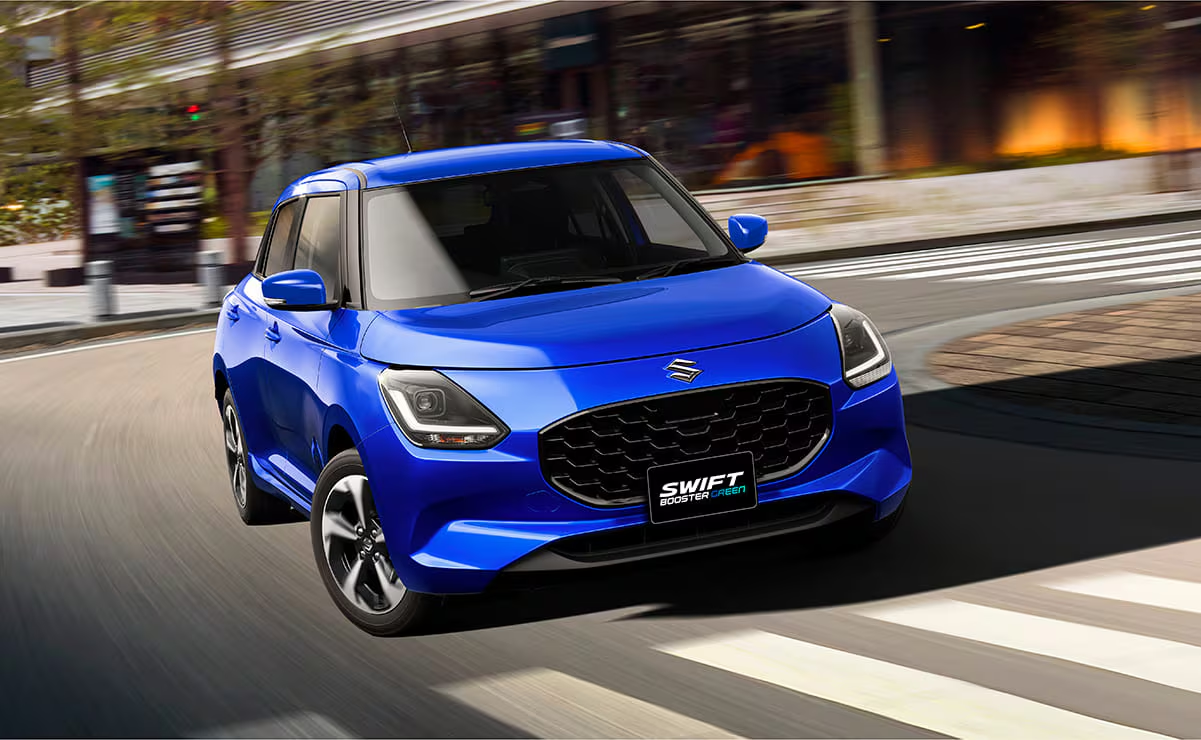
To understand it easily: a hybrid is not a car of the future, it is a car with “two hearts” under the hood. It has its usual gasoline engine and an electric one that go hand in hand so you don’t spend so much.
The best thing is that the car does the thinking for you. He decides in milliseconds what is best for him to use:
In heavy traffic or when starting: It moves only with electricity. Total silence and zero waste of vital fluid.
When you step on him on the road: Enter the gasoline one to give you the push you need.
When braking or stopping accelerating: Here the magic happens; The car takes advantage of that movement to recharge its own battery.
Eye: It doesn’t plug in. You put gas in it like any car, drive it the same way and let the system do the dirty work of saving you money.
The advantages of being hybrid in Mexico
If you are hesitating whether to take the leap, these are the strong cards that play in your favor, especially with the road chaos we are experiencing:
Gasoline that does work: While others burn money sitting in traffic, you move with pure light. In the city, you can save between 40% and 50% on gasoline compared to a normal car.
Goodbye to “Hoy No Circula”: In CDMX and Edomex, this is pure glory. You have an “Exempt” hologram, so you circulate daily, even though the contingency is at full force.
Less taxes: You forget about the Tenure in many states and ISAN (New Car Tax). In addition, there are discounts on some tolls and even parking meters.
Brakes that last forever: Since the electric motor helps braking, the brake pads suffer much less. You will save several trips to the workshop for this reason.
Not everything is perfect: The fine print
For you to make an intelligent decision, you also have to see the other side of the coin:
The initial “burn”: Get ready, because a hybrid will cost you between $50,000 and $90,000 pesos more expensive than its pure gasoline brother.
The battery has an expiration date: Although they last for years, they are not eternal. If you have to change it out of warranty, the joke could cost you between $40,000 and $80,000 pesos.
You depend on the agency: There is no problem with the oil and filters, but if something fails in the electrical system, don’t be afraid to take it to the mechanic on the corner; You have to die at the agency.
Parts that take time to arrive: If you are unlucky enough to have a crash that damages something in the hybrid system, be patient, because specific parts usually take longer to arrive than those for a regular car.
How about real savings in Mexico?
Let’s put aside the sales brochures and get out the calculator. So you can see if it works for you, we will compete a hybrid against a gasoline one assuming that you travel about 15,000 km a year (normal if you go to and from work) with the Magna hitting $24.50 per liter.
Consumption Comparison: Gasoline vs. Hybrid
Figures based on an average annual distance of 15,000 km.
| Concept | Compact Car (Gasoline) | Compact Car (Hybrid) |
| Real performance in the city | 12km/l | 22km/l |
| Liters consumed per year | 1,250 liters | 681 liters |
| Annual expenditure on gasoline | $30,625 MXN | $16,684 MXN |
| Annual savings only on fuel | — | $13,941 MXN |
Adding fuel savings ($14,000) and tax benefits such as ownership and verification ($5,000), the annual benefit is around $19,000 MXN. With an average premium of $60,000 MXN In the agency, the break-even point is reached at 3.1 years.
Key considerations for your portfolio:
Mileage: If you drive more than 20,000 km a year, the return on investment accelerates to less than 2.5 years.
Resale value: In 2026, hybrids maintain their value better (slower depreciation) than pure combustion ones, which adds an “invisible” profit when selling it.
Maintenance: By not having gears, alternators or traditional distribution belts, and less wear on the brakes, the operational savings usually offset the agency services.
In summary: If you plan to keep the car for more than 3 years and you live in an area with heavy traffic, the hybrid is not marketing; It is one of the best financial decisions you can make today in Mexico.
How reliable are hybrid cars?
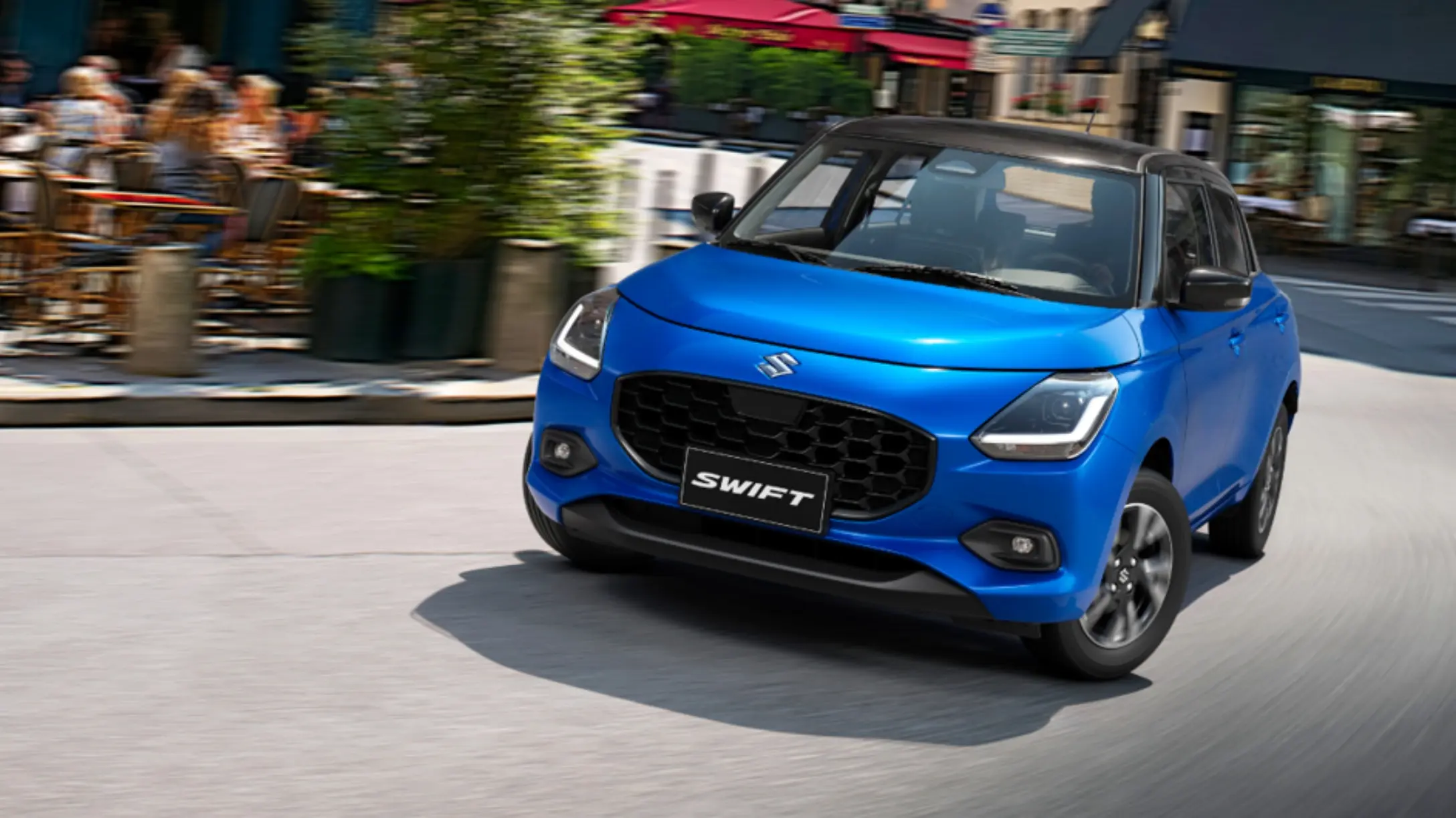
By 2026, reliability is no longer something that should keep you up at night; The brands have already polished all the details.
toyota He is still the boss in this field. They have been perfecting the system for more than 25 years since the first came out. Priusand in Mexico their cars are more than “hardened” against the potholes, the deadly bumps and the heat that it gets in half the country. Sling is not far behind with very fine and durable systems, while hyundai, kia and ford They have come out with great options with guarantees that give you a lot of peace of mind.
Almost all brands offer you 8 to 10 years warranty (or about 160,000 km) directly for the battery and the irons of the hybrid system. Basically, you buy peace of mind for a decade.
Who is better off giving the “card” for a hybrid?
Traffic warriors: If your life is being stuck on the Periférico around the corner, the hybrid is your best friend. That’s where they give you those 20 or 25 km/l without breaking a sweat.
App drivers (Uber, Didi): If you travel more than 30,000 km a year, the gasoline savings will make the car pay for itself in less than a year. It’s a masterful financial move.
Those who cannot stop circulating: If for work or family you need to move 365 days a year in the CDMX or Edomexthat “Exempt” hologram is worth pure gold when there is a contingency.
Who is it NOT suitable for?
Highway Roadrunner: If you live it on the road 80% of the time and at 120 km/h, the electric motor is almost not going to come into play. You will end up spending gas like a normal car, but having paid much more for the technology.
Low mileage ones: If you only use the car to go to the supermarket or to leave the children three blocks away and you don’t even reach 8,000 km a year, it will take you almost a decade to recover what you invested more.
Very tight budgets: If buying the hybrid means hanging yourself with monthly payments that don’t even let you sleep, it’s better to pass. Saving at the gas station is not going to compensate for the stress of a loan that gives you green gray hair.
Best hybrid cars in Mexico (2026)
If you have already convinced yourself to take the step, these are the smartest purchases you can make today at agencies in Mexico:
Toyota Prius: He is the one who opened the way. With her latest makeover, she not only gives you some 25 km/l real in the city, but now it really steals attention because it looks incredible. It is still the option that makes the most sense for your money.
Toyota Corolla Hybrid: If you are looking for efficiency Prius But if you prefer a more discreet design that does not shout from the rooftops that it is a hybrid, this is the most enduring and reliable sedan you will find.
Honda CR-V/Civic Hybrid: Sling It adds a more “spicy” and sporty touch to its engines. They spend a little more than toyotabut they handle much better and the interiors feel luxurious. They are the ideal option if you are looking for space and a more premium style.
Toyota Yaris Cross Hybrid / Corolla Cross: In a Mexico full of potholes and floods, we all love the SUVs. These little trucks give you that height you need to not suffer, but with gasoline consumption of a small car.
Kia Niro: This SUV It was born from scratch to be a hybrid. Forget adaptations; Here everything is designed for efficiency, with a lot of technology and an interior space that surprises anyone.
Conclusion: Is it worth buying a hybrid in Mexico in 2026?
So the short answer? Yes, totally. But be careful, only if your lifestyle and the car “click.”
If you have to suffer the heavy traffic of cities like CDMX, Monterrey, Guadalajara, Puebla or Querétaro, you drive more than 15,000 kilometers a year and you don’t plan to change ships for at least 4 or 5 years, buying a hybrid is one of the smartest decisions you can make for your wallet and your peace of mind.
That feeling of not hearing the engine in traffic, of passing by the gas station for weeks and being “laughed” by environmental contingencies, makes every extra peso you paid worth it. Now, if you live it on the road or hardly even take the car out of the garage, it is better to stick with a good 4-cylinder gasoline engine and be done with it.
What everyone asks (the net ones)
How long will the battery last? They are made to last as long as the car lasts. In the real world, they start to get a little tired between year 8 and 10, or when you’ve passed the 150,000 or 200,000 km barrier.
What if it goes bad? If you are within the first 8-10 years, the warranty has your back. If that time has passed, don’t be scared: sometimes you don’t have to change everything. At the agency they can scan it and change only the “cells” or modules that are failing, which saves you a lot of money in the repair.
Does it use less gasoline? Yes, without a doubt, but the trick is where you step on it. In the city and with nightmare traffic, the difference is brutal. If you are flying on the highway at high speeds, it will perform almost the same as an efficient gasoline car.
Is maintenance going to be very expensive? Not at all. Basic services (every 10,000 km) cost almost the same as a normal car at the agency. The only golden rule is: don’t skip the services and don’t take it to the mechanic on the corner, because if they mess with the high voltage system, goodbye warranty.
Editorial by Gossipvehicle