
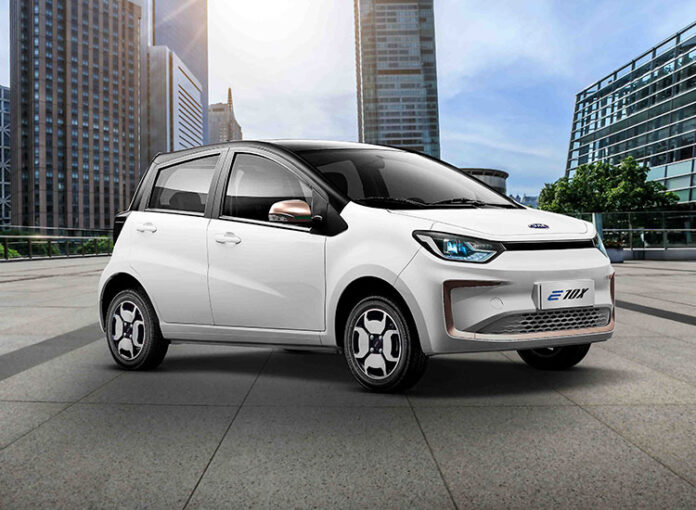
The phenomenon of JAC In Latin America it has been a real shock. In just three years, the Chinese firm has achieved a feat that many considered lost: making electric cars stop being a luxury in Mexico and Chile, launching models that cost practically the same as a gasoline one.
But of course, selling cars in droves also means accumulating a mountain of user stories, and not all of them are exactly rosy. If you have your eye on a JAC E10X (or E-JS1) or in the SUV E-JS4 This 2026, it is key that you do not just stick with the pretty photo in the catalog, but that you listen to what those who upload to them are really saying every morning.
Are these problems that will leave you stranded or are they just details that can be forgiven for the sake of savings? Come on to get under the hood to analyze the technical reality of these vehicles.
Most popular electric models in the region
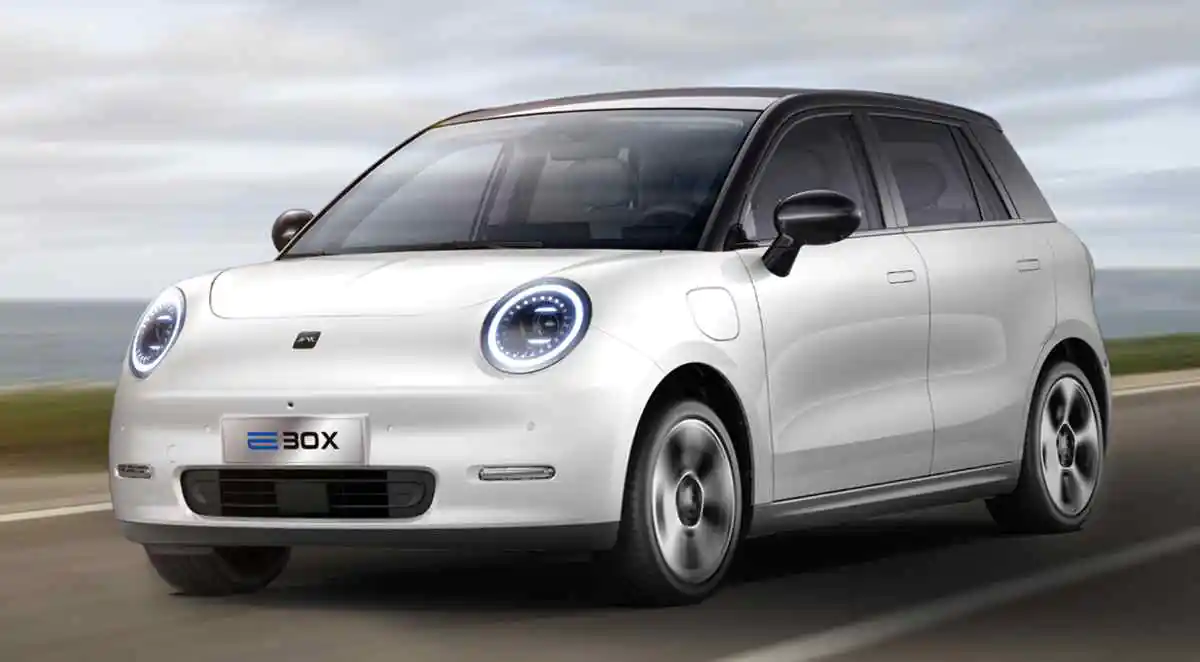
For this analysis to be really useful, you must first give the protagonists a first and last name. Almost all the testimonies and technical reports for 2026 focus on these two models, which are the ones that are really moving the needle in the region:
1. The little one in the family: JAC E10X (Mexico) / E-JS1 (Chile)
It is, basically, the same car with a different name depending on the country. He has earned the title of “people’s electric” because it is the cheapest you can buy today.
Your role: A pure urban. It’s small, easy to park, and a favorite for those who want to stop visiting the gas station without spending a fortune.
The context: Being the entry model, it is where the brand’s effort to lower costs is most noticeable, which generates divided opinions about its long-term resistance.
2. The family bet: JAC E-JS4
Here we already talk about a compact SUV with much more presence. It has gained a lot of ground not only in family garages, but also on the streets.
Your role: It has become the star work tool for drivers. Uber or DiDi who are looking for profitability, in addition to being the logical option for families who need space.
The context: Being a vehicle that usually travels many kilometers a day (especially on transport platforms), it is the model that most quickly brings to light any mechanical or software detail under intensive use.
Most reported complaints and problems (2023–2026)
To understand what is really happening with JAC in 2026we have cross-referenced data from real owners forums, security reports (as Latin NCAP) and the alerts that organizations like the SERNAC in Chile or the Profeco in Mexico they have put on the table. Here is the summary without filters:
1. The burden dilemma (Critical in Chile)
This is, perhaps, the biggest stone in the shoe for owners in Chile.
The technical conflict: The JAC models They usually use the Chinese charging standard (GB/T). However, almost the entire public network in Chile uses the European standard (CCS2).
On a daily basis: Although the car comes with an adapter to charge it at home (slow), to use the fast chargers on the road you need an adapter that is very expensive (it can be around $1,000,000 CLP). Without that, the car is practically “trapped” in the city, since traveling long stretches becomes a planning odyssey.
2. Security: The stain of “0 stars”
If security is your number one priority, this point is unavoidable.
The verdict: He JAC E10X / E-JS1 went through the tests Latin NCAP and the result was a resounding zero.
Because?: The report noted an unstable structure in frontal crashes and poor protection for the driver’s chest. In addition, there was a lot of controversy with the power cut-off system after an accident, which in some tests simply did not work as it should.
3. Low grip tires (“Soap Tires”)
This is the number one report in Mexico, especially when the rains arrive.
The reality: To maximize autonomy, JAC It is equipped with Chinese brand tires with very low rolling resistance. The problem? They have very little grip.
The risk: Many users say that the car “patina” or skids on tight curves or hard braking if the pavement is even slightly wet.
Owner’s advice: Almost everyone recommends changing tires for brands such as Michelin or Continental as soon as you leave the agency. It’s an extra expense, but it gives you peace of mind.
4. The ghost of the “Black Screen”
Since almost everything in these cars is controlled from the touch screen, if it fails, the car becomes a headache.
The fault: There are constant reports of screens freezing or simply not turning on.
The impact: In it E10Xthe air conditioning controls are digital. If the screen dies, you can’t defog the windows or cool the car. Sometimes it is fixed by restarting the system, but it is a recurring error that is quite annoying.
5. Sensors and “sensitive” electronics
Tire pressure (TPMS): It is very common for the dashboard to warn you that a tire is low when, in reality, it is perfect. They are somewhat temperamental sensors.
Regenerative braking: Some owners notice that the feel of the pedal changes from day to day or that the car does not “hold” with the same force, which usually requires a software update at the official workshop.
Are they serious failures or isolated cases?
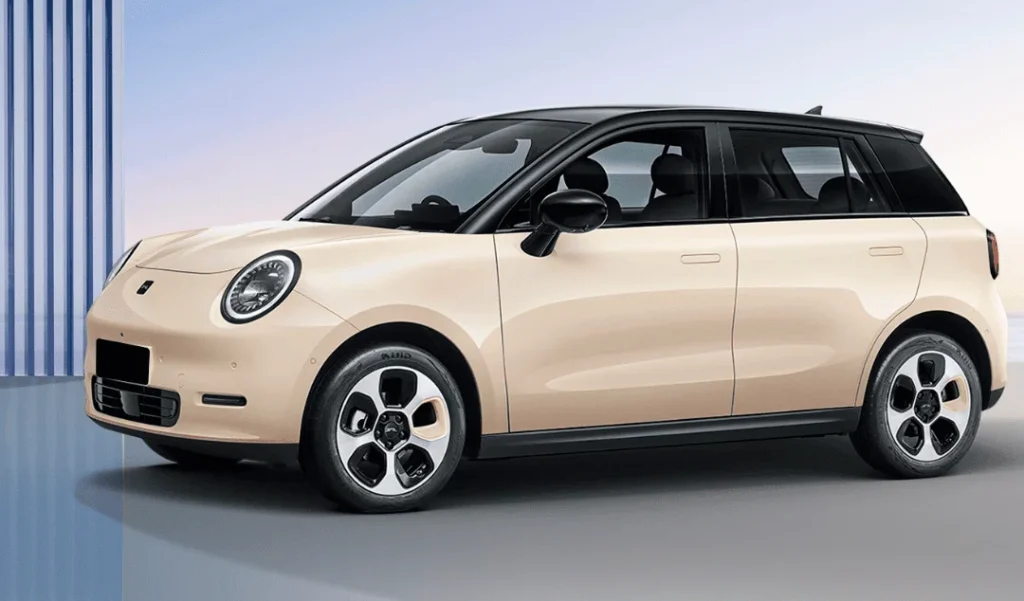
To close with a fair vision, not everything is warning signs. If we put the JAC Compared to its rivals and under the technical microscope of 2026, the panorama is quite balanced:
1. JAC vs. The rest of the Chinese “giants” (BYD, MG)
We must be clear: JAC plays in the league low cost.
The difference: If you get on a BYD Dolphin or to a MG4you’ll immediately notice better plastics, superior outside noise isolation, and faster-responding screens.
The price factor: The JAC costs a fraction of what those models are worth. It is the option for those looking for pure electrical utility without paying the “tax” for luxury finishes or cutting-edge technology. It is, in essence, an honest vehicle with its price tag.
2. What it does hold: Motor and Battery
Interestingly, where many would expect failures, JAC has given the surprise.
Physical robustness: Unlike other components, the electric motor and battery cells (which are made of Lithium Ferro-phosphate or LFP) have come out very brave.
Degradation: In these first three years of intensive use, there are very few reports of batteries losing capacity drastically. If you take care of it, the “heart” of the car seems to be built to last.
Conclusion of the analysis
If we had to summarize the experience JAC in 2026it would be like this:
It is very unlikely that the car will leave you stranded in the middle of the street due to a serious mechanical failure. However, it is very likely that you will have to “learn to live” with sometimes slow software, plastic noises in the cabin or the logistics of looking for adapters to charge it outside the home.
It’s a car for him pragmatic: one that puts fuel economy and cheap maintenance above technological sophistication or status.
Spare parts availability: The Achilles heel
This is the complaint you will hear the most in owners groups.
The problem: If you have an aesthetic mishap or a crash (headlights, bumpers, doors), be patient.
The times: In Mexico and Chile, it is common for body parts to take 2 to 4 months to arrive from China.
What there is: Basic maintenance parts (cabin filters, brake pads) are usually in stock, so you shouldn’t have any problems on that side.
How much are you going to spend? (Estimated 2026)
The good news is that, as long as you don’t crash, your pocket will be very safe:
Preventive maintenance: It’s ridiculously cheap. A 10,000 km service is around $1,500 – $2,500 MXN ($80,000 – $120,000 CLP). Basically, you only pay for a level check, tire rotation, and having the electronics taken a look at.
CCS2 Adapter (Chile): If you want to use the fast chargers on Chinese roads with your Chinese car (GB/T), be prepared to invest about $1,000 USD in a good quality adapter. Don’t skimp here; a cheap one may damage your charging port.
Insurance: Be careful here. In 2026, premiums for Chinese electric vehicles have risen. Insurers know that if you crash, the car will spend months in the shop, and that makes the policy more expensive.
Is it worth buying an electric JAC in 2026?
The short answer is: It totally depends on what you want it for.
✅ YES it suits you if:
Adjusted budget: You want to go electric today without spending what a high-end Tesla or BYD costs.
Your life is the city: You go from home to the office, to the supermarket and back. If you have a charger at home (Wallbox), the savings are massive.
He is the “second on the team”: You have a gas car for long trips and the JAC for the daily jog in traffic.
You are an App driver: If you work in Uber or DiDi (especially with the SUV E-JS4), savings on fuel and oil directly translate into more money for you.
❌ It is NOT suitable for you if:
You travel a lot by road: The lack of compatible chargers (Chile) and the fact that the battery runs out much faster if you go over 100 km/h will give you “range anxiety.”
Security is your obsession: If you have children and the rating of 0 stars from Latin NCAPBetter look for other options.
You can’t have the car stopped: If it’s your only vehicle and you don’t have time to wait a month for a spare part in the event of a minor crash, you could have a hard time.
Final tip: Before you part with the money, ask for a long test drive. Take a good look at the charging port it comes with (some 2026 units are already updated) and ask for an insurance quote so you don’t get any surprises.
Editorial by Gossipvehicle