
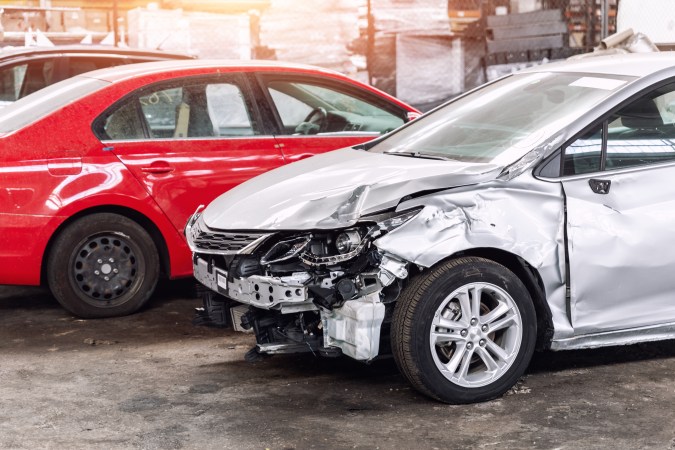
A title marked as savage indicates that the vehicle was declared a total loss by an insurer due to serious damage. Although these cars may be cheaper, buying or owning one requires caution. Know the correct steps to drive a car with a title savage helps avoid legal, financial and security risks.

What does a wild title mean?
a title savage is assigned when the cost of repairing a vehicle exceeds a significant percentage of its valuegenerally between 60% and 90%, depending on the state. The most common reasons include serious accidents, floods, fires or vandalism.
This title does not allow the vehicle to circulate legally until it is repaired and passes an official inspection. It is a warning sign for buyers and owners, as it indicates that the vehicle has suffered damage that could affect its safety and resale value. That is why it is recommended that you do the following:
1. Check the vehicle history
Before buying or investing in a car savage, It is crucial to review your history. Services like CarFax, AutoCheck or NMVTIS offer comprehensive reports showing:
- Accidents and previous total losses.
- Repairs made.
- Title changes or reclassification attempts.
- Possible flooding or hidden damage.
A detailed report helps you make better decisions and avoid unpleasant surprises after the purchase.
2. Assess the damage and perform a professional inspection
If you already own the car, carefully check for existing damage. If you plan to buy it, it is advisable to take it to a certified mechanic or shop for a thorough inspection. The cars savage They may have hidden structural damage, mechanical problems, or electrical hazards that are not evident to the naked eye.
A professional diagnosis allows you to estimate repair costs and determine if it is worth continuing with the purchase or repair.
3. Repair the vehicle and prepare the documentation
So that a car savage can circulate legally, must be repaired and meet state safety standards. Keep all repair documentation, including invoices, photographs, and certified shop forms. This information will be necessary for the final inspection and to request the title change.
4. Convert the salvage title to rebuilt
After repairs, the next step is to request an official inspection to obtain a title rebuilt salvage either rebuilt. This process includes:
- Inspection of the chassis, brakes, airbags and lights.
- Verification of original parts and legality of spare parts.
- Presentation of documents proving the repairs.
Once approved, the car can be registered and driven legallyalthough the title will continue to indicate that it was savage in the past.
5. Consider insurance and resale value
Cars with title savage either rebuilt They have limited insurance and lower resale value. Some insurers offer only liability coverage, while others may decline entire policies. Furthermore, these vehicles sell for less money in the market, even after repairs.
When to avoid a wild title?
Avoid cars savage that have suffered floods, serious structural damage or fires, as these present major risks and expensive repairs. Only consider vehicles with a clear history, certified repairs, and professional mechanical inspections.
a title savage It doesn’t necessarily disqualify a vehicle, but driving it requires proper information, inspections and documentation. With care and knowledge, It can be transformed into a safe and legal car to drive..
You may also be interested
· Salvage/reconstructed title: risks of buying it
· Can you insure a car with a salvage title?
· What to check the history (VIN) before buying a car