
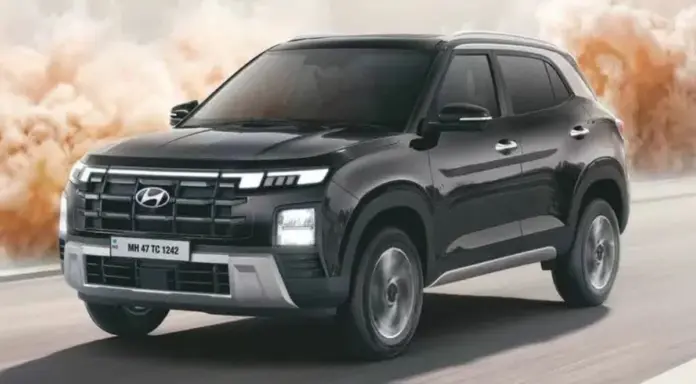
Navigating the world of urban trucks in our region is entering a terrain of extremely high rivalry. When it comes to spending money on a new vehicle, the balance usually leans towards two fundamental priorities: that the family travels at ease and that the car does not become the mechanic’s best friend. In this search for balance, it is almost inevitable to end up comparing two heavyweights that are stealing everyone’s attention today: the new Hyundai Creta and the renewed Chevrolet Captiva.
Although both move like a fish in water around the city, their mechanical genes are worlds apart. If you are going to release a model this year, the real dilemma is not who boasts the most attractive technology, but something much more vital: Which of these machines will age with more dignity and fewer headaches for your pocket after a few years?
With the 2025 versions barely landing on display cases, the smartest move to avoid failure is to look in the rearview mirror. To predict how strong they will be, it is necessary to analyze the history of their manufacturers, how their engines have performed in the recent past and how robust the engineering is inside them. Here we tell you the reality of each one so that you can choose with a cool head before saying “yes.”
Hyundai Creta 2025: Proven reliability with a bold design
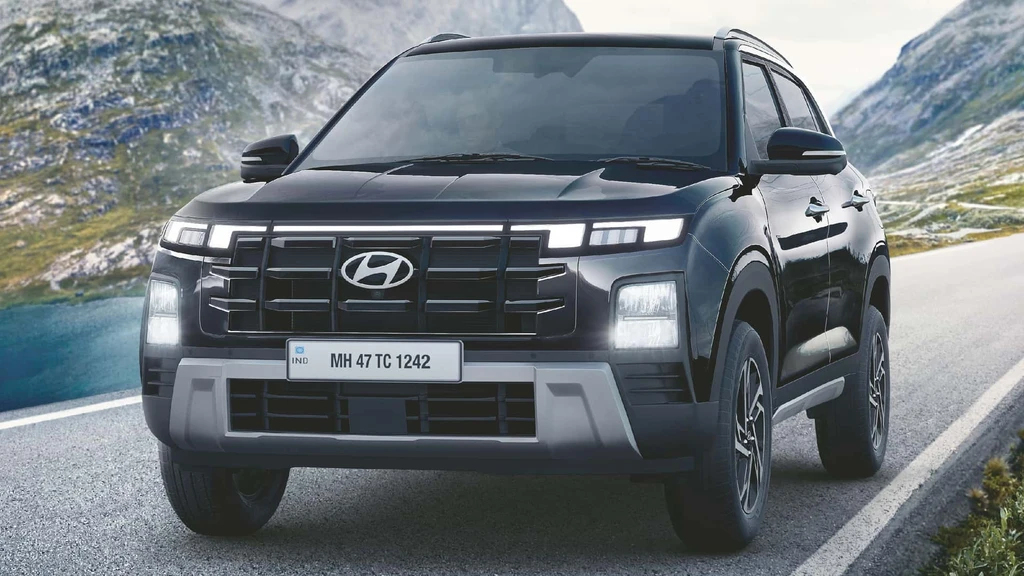
The Crete It has become that “play it safe” option that almost everyone recommends at dealerships in the region. For the 2025 model, the Korean firm has decided not to play Russian roulette and maintain the mechanical architecture that has already given them such good results, news that is wonderful if what you are looking for is stability.
Prestige and durability
If this model has something, it is that it does not usually give unpleasant surprises. hyundai It has polished every last screw of its four-cylinder engines (whether the naturally aspirated 1.5 or the turbo versions) and its transmissions, achieving a set that works like a Swiss watch. By not inventing strange things under the hood for this year, the brand is betting on longevity that is already more than proven.
The best of the house
Trusted Mechanics: They are engines designed to withstand daily jogging without complaining, as long as you don’t skip their basic maintenance.
Money well taken care of: It is a vehicle that people look for a lot on the used market, so it does not lose its value as quickly as other competitors.
Savings at the pump: Especially in its entry-level versions, it is a truck that takes good care of your monthly gasoline budget.
What do owners usually complain about?
Since nothing in this life is perfect, Crete It has its details, although fortunately they are not usually in the engine, but in the feeling of the cabin:
Cabin materials: In the cheaper variants, the excess of rigid plastics can begin to generate small creaks or annoying noises after some time driving on bumpy streets.
Technological whims: There have been reported cases where the wireless connection to the cell phone becomes somewhat unruly, although it is usually an issue that is quickly resolved with a system update.
Chevrolet Captiva 2025: Massive space, but with divided opinions
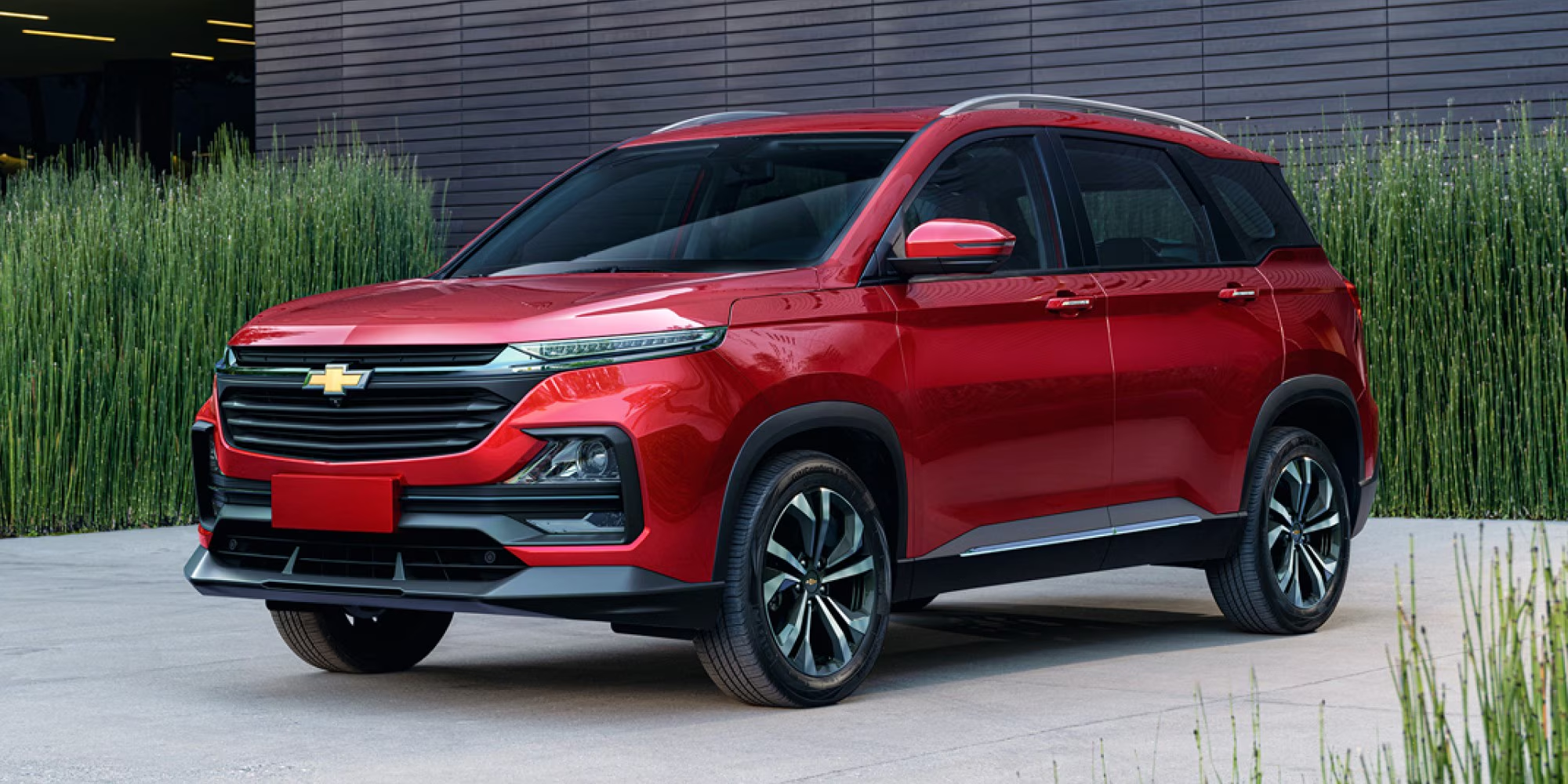
The 2025 Chevrolet Captiva It continues to be a true sales magnet, and the reason is simple: it offers a space proposal that seems unbeatable. It gives you three rows of seats and an almost cavernous interior for the price of a much smaller truck. Of course, to choose wisely you have to know that this Captive does not come with the typical DNA detroit; she is a daughter of the alliance SAIC-GM-Wuling in China, which greatly defines its character.
Evolution and cover letter
Under the hood, the Captive It relies on a 1.5 Turbo engine that works together with a CVT-type automatic transmission. By 2025, Chevrolet It has given a “cat’s hand” to the finishes and has put more technology in the shaker, trying to make the onboard experience feel a little more sophisticated and less utilitarian.
What the street says and sensations behind the wheel
This is where opinions are completely divided. On the one hand, large families love it because it is a practical and comfortable solution to move everyone around without crowding. On the other hand, the most demanding drivers and those who spend the day in the workshop tend to take a closer look at its resistance when it is demanded more or subjected to harsh treatment.
What points should be monitored?
If we look at the history of this model, there are certain areas where users tend to raise their hands. They are not catastrophic failures, but they are details to take into account:
Suspension fatigue: Being a vehicle of generous dimensions and considerable weight, its shock absorbers and bushings tend to suffer a little more on our streets full of potholes, needing pampering sooner than its Korean rivals.
CVT gearbox temperament: It is designed for softness and comfort. If you try to go up a very steep hill with a full capacity of 7 passengers, the transmission may feel forced or even overheat if not driven calmly.
The famous “Turbo lag”: When starting from a standstill, you will notice a little lethargy before the engine responds strongly; something that requires skill when quickly joining a highway.
Assembly details: As the miles go by, some owners have noticed that certain buttons or interior upholstery show signs of wear a little sooner than expected.
Comparison: Hyundai Creta vs Chevrolet Captiva
So that you can weigh which truck is best for you, we are going to review the points that really influence the decision:
Mechanics and Technology: Peace of mind or flashy screen?
If we talk about sleeping peacefully, Hyundai Creta takes the lead with a mechanical architecture that already knows the way by heart. Its history of engines and gearboxes is a guarantee that it will not leave you stranded, also offering an infotainment system that, although simple, works with the fluidity of a good smartphone.
On the other hand, the Chevrolet Captiva It fills your eyes with a huge screen, but its system sometimes takes its time to react. In addition, its mechanics are more “delicate”: it requires that you be religious with maintenance if you don’t want the engineering to start taking its toll ahead of time.
Life on Board: The dilemma between cubic meters and endurance
Here we have a clash of personalities where each one shines in their own way. The Creta doesn’t fool anyone: it uses plastics that feel rigid, but are so well tightened that they promise to withstand years of bumps without complaint. The Captiva, on the other hand, seeks to make you fall in love with the touch with materials that seem more luxurious, although experience tells us that that initial shine tends to fade a little faster.
Of course, if your priority is to bring half the family and even the dog, the Captive has no rival. Its three rows of seats are a strong argument that the Cretelimited to five passengers, simply can’t argue.
Long-term economy: The pocket rules
Looking to the future, the Hyundai Creta It is, without a doubt, the most rational purchase. It’s one of those cars that you put up for sale and they take it out of your hands, retaining its value in an enviable way and with spare parts that you can even get at the pharmacy. It is a safe and predictable investment.
The Chevrolet Captiva She plays another strategy: she is the queen of “release a lot for a little.” It gives you killer equipment for every dollar you pay today, but be prepared to see its price drop faster on the used market and to visit the mechanic a little more frequently.
Which one really gives the least problems?
If you are looking for a straightforward answer based on pure reliability, the Hyundai Creta takes the trophy. It is, objectively, the option that will give you the least mechanical and adjustment problems over the years.
The reason is simple: Hyundai does not experiment with his clients; It uses global platforms that have already been “punished” and tested in a thousand scenarios before reaching the showcase. Their engines and gearboxes have already passed their learning curve, which translates into dignified aging, fewer unexpected visits to the workshop and a peace of mind that is appreciated every morning when starting the engine.
The care factor: It’s not bad, it’s demanding
On the other hand, we must be clear with the Chevrolet Captiva: It is not that it is a “failed” vehicle, it is that it is an economical platform car that does not forgive oversights. While the Crete hold on to the trot a little longer, Captive It requires a meticulous, almost surgical, owner with its maintenance.
Abuse, oils of dubious quality or skipping checkups do not agree at all. Being a large and heavy truck, its wear components such as brakes and suspension carry an extra load that makes them succumb much sooner than those of its Korean rival.
Which one is best for your driver profile?
So that you have no doubts before signing the check, we are going to base the decision on the actual use that you are going to give it on a day-to-day basis:
If you move especially in the city: The Hyundai Creta It’s the queen. It is more agile when weaving through traffic, it parks in any space and your pocket will be grateful that it consumes less gasoline.
If the family doesn’t stop growing: Here the Chevrolet Captiva wins by a landslide. If you have three children or you have to take the in-laws for a ride on the weekend, that third row of seats is a lifesaver that the Creta, no matter how much it wants to, cannot offer.
If you like to hit the road often: stay with the Hyundai Creta. It feels much more poised and stable when you step on the accelerator, and you’ll notice that you end the trip less tired thanks to its better calibrated steering and suspension.
If what you want is zero dramas: Don’t think about it anymore and go for the Hyundai Creta. It’s the type of truck you buy to start it up, get its oil changed on time, and forget that the shop exists.
Conclusion
When facing the Hyundai Creta 2025 and the 2025 Chevrolet Captivawe come across two opposing philosophies of life. The Captive It catches your eye: it sells you volume, an imposing presence and many cubic centimeters for a price that seems like a gift. It is an emotional purchase, ideal if your number one priority is immediate space for the entire troop.
The CreteOn the other hand, it is buying with a cool head. It may not have that third row or appear to be a vehicle from a higher segment, but its robustness and impeccable history give you something that is priceless: peace of mind.
Editorial by Gossipvehicle