

Starting the car feels like the most natural gesture on the planet. You settle in, turn on the ignition and go out without thinking twice. However, that brief initial sequence that happens in the bowels of the engine is decisive for the longevity of your riding companion. A large part of motorists in countries such as Mexico, Colombia or Chile have normalized certain customs that, under a harmless appearance, gradually undermine the integrity of parts that are not cheap to replace.
The truth is that the harshest punishment for an engine block does not happen while you are crossing the highway at full speed, but right when starting off, when the lubricant still rests on the bottom and the metal gears rub almost dry. If we add to this lack of fluidity the typical carelessness behind the wheel, we are unintentionally signing a premature and expensive appointment with the mechanic.
In the following lines, we are going to identify those harmful routines and show you the ideal way to wake up your vehicle. The goal is not to worry you, but rather to invite you to see how adjusting those small everyday details can prevent your bank account from suffering from major repairs in the future.
Mistakes you should never make when starting your car
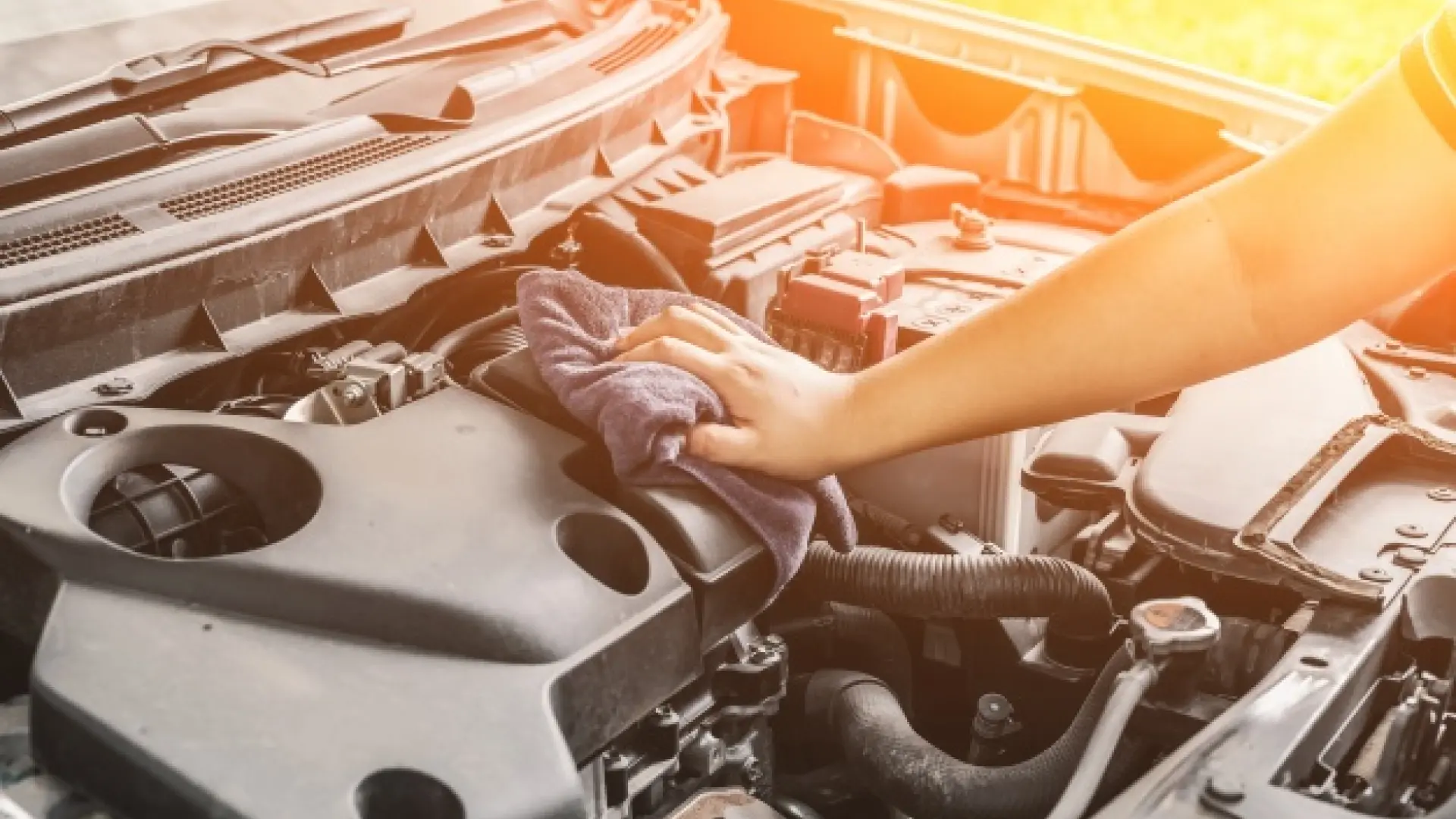
To protect your assets on wheels, it is essential to detect those vices that we usually overlook. Here I detail the most common mistakes that we observe on a daily basis in our region and the compelling reasons to banish them from your routine right now.
1. Give the “stomp” as soon as the engine starts
It is a classic scene: the driver starts and immediately gives it a couple of strong accelerations, believing that this will “wake up” the system or simply to take off.
The failure: The lubricant is thick after rest and requires a short time to rise from the base to the top, where the valves and moving parts are.
Consequences: When you rev the engine dry, metal rubs against unprotected metal. This prematurely sands pistons and cylinders, and in vehicles with a turbo, it can end their useful life much sooner.
Suggestion: Give the engine about 30 seconds of respite so that the revolutions calm down on their own before starting off smoothly.
2. Insist with the key when the engine resists
If the car does not react on the first attempt, desperation leads many to leave the ignition on for more than 10 seconds or to turn the key repeatedly without pause.
The failure: Subject the electrical system to continuous stress without letting it breathe.
Consequences: The starter motor reaches very high temperatures in seconds. In addition, you demand extreme sacrifice from the battery, which could be useless in a couple of attempts if it is no longer new.
Suggestion: Limit each attempt to 5 seconds. If it doesn’t start, wait half a minute for the components to cool and the power to stabilize before trying again.
3. Start with the “climate” and the music at full blast
Getting into the vehicle and turning it on with the lights on, the air conditioning at maximum and the sound system on is an unnecessary punishment for the circuits.
The failure: Starting is the moment of greatest electrical demand; The car needs all the power of the battery to be concentrated on moving the engine.
Consequences: You overcharge the battery and force the alternator to work at forced speeds from the first second. In older models, voltage jumps can “burn out” delicate sensors.
Suggestion: Make it a habit to turn everything off before getting out of the car the day before. This way, when you return, all the power will go directly to where it is really needed.
4. Pump the accelerator during ignition
This is a bad habit that we carried over from the days of carburetor engines, when we had to physically “help” the gasoline enter.
The failure: Current electronic injection systems manage the air and fuel mixture on their own. Pressing the pedal only confuses the car’s computer.
Consequences: You introduce excess fuel that does not burn well, which dirtyes the oil and deteriorates the catalyst over time.
Suggestion: Forget the pedals when starting. If the car depends on a stomp to start, it is a clear sign that it needs injector cleaning or new spark plugs.
5. Engage the gear with the engine accelerated (Automatic)
Many automatic transmission drivers shift from “P” to “Drive” or “Reverse” as soon as the engine makes contact, while the revolutions are still high.
The failure: Subjecting the transmission to sudden mechanical stress when the engine has not yet dropped to its resting rhythm (idle).
Consequences: You cause a dry impact on the engine mounts and the internal discs of the box. That “kick” you feel when shifting gears wears out the gears internally.
Suggestion: Be patient for about 20 seconds until the needle on the dashboard drops a little. You will notice that the change fits like silk and your transmission will last much longer.
Is it necessary to warm up the car nowadays?
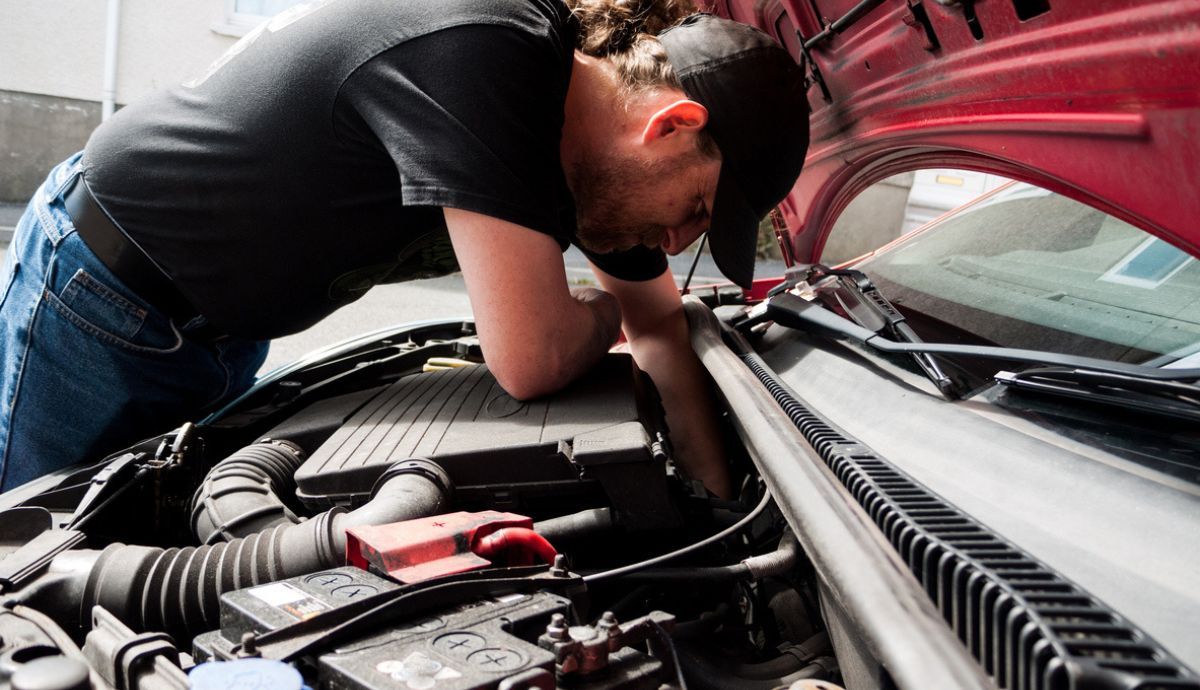
This is one of the dilemmas that arouses the most passion among motor enthusiasts. The quick answer is: Yes, it is necessary, but not in the way our grandparents did it.
In the past, carbureted vehicles required several minutes of “warming up” so that the gasoline mixture was stable and the engine did not stall at the first corner. Today, electronic injection does that dirty work in just milliseconds.
The myth: “You have to leave the car on for 10 minutes before starting.” Fake. Keeping the engine idling for so long is a waste of fuel, pollutes unnecessarily and is inefficient.
The reality: An engine reaches its ideal temperature much better and faster while in motion.
Expert advice: Give the oil between 30 and 60 seconds so that it bathes all the pieces. Then, it begins to circulate immediately, but gently (without sudden accelerations or high revolutions) until the temperature indicator shows its normal operating level.
Express routine for a flawless start-up
If your goal is for the engine to overcome the barrier of 200,000 kilometers Without giving yourself any scares, adopt this simple habit:
Zero load: Make sure the lights, air conditioning and radio are off before driving.
The initial “check”: Turn the key to the previous position (or press the button without pressing the brake) and wait for the dashboard lights to go off. Thus, the gasoline pump prepares the system with the appropriate pressure.
Clean ignition: Start the engine without touching the accelerator at all.
The necessary pause: Wait a minute if the weather is frigid, or just 30 seconds if the temperature is pleasant.
Progressive takeoff: Drive calmly for the first few kilometers. Don’t put too much power on the car until the block is really hot.
Final reflection
Knowing how to wake up your vehicle correctly is not a mechanic’s hobby, it is pure financial intelligence. The oversights we mentioned above may seem trivial, but their damage is silent and cumulative.
An engine that is loved from the first second of the day is a machine that will give you less trouble, use less gasoline and maintain a much higher resale value. Don’t forget: preventive maintenance doesn’t start in the workshop, but in your hands before you shift into first gear. Pamper your machine and it will protect your bank account.
Editorial by Gossipvehicle