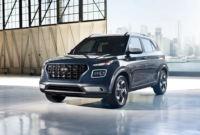
The cars with solar panels They represent an innovation in sustainable mobility, combining clean energy with advanced technology. More and more manufacturers are exploring this system as a way to reduce dependence on fossil fuels and increase the range of electric vehicles. Understanding how these cars work helps drivers evaluate their advantages and limitations before considering a purchase.
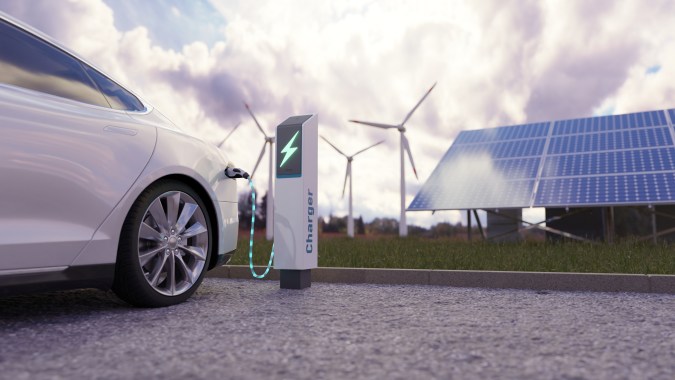
Basic operating principle
Cars with solar panels have surfaces covered with photovoltaic cells that They capture sunlight and convert it into electricity. This energy is stored in the vehicle’s battery, complementing the charge from traditional electrical outlets. Depending on the model, the panels can cover the roof, the hood or even the entire body.
Although the amount of energy generated by solar panels is less than that of a charging station, allows you to extend the car’s autonomy on short trips and maintain auxiliary systems such as air conditioning or radio without consuming the main battery.
Types of solar cars
There are mainly two categories of cars with solar panels:
- Electric vehicles with solar assistance: They incorporate panels to partially charge the battery and power electrical components, prolonging daily autonomy.
- Fully solar cars: They depend almost exclusively on solar energy, although its availability on the market is very limited and they are usually focused on prototypes or experimental models.
Each type offers different levels of efficiency and requires an optimized aerodynamic design to maximize sunlight collection.
Benefits of solar technology in cars
Incorporate solar panels offers several advantages:
- Emissions reduction: By using clean energy, the vehicle’s carbon footprint is reduced.
- Additional autonomy: Solar energy can provide several kilometers of daily travel, useful for urban travel.
- Less dependence on the electrical grid: Partially recharging with sunlight reduces the frequency of visits to charging stations.
- Sustainability: encourages the use of renewable sources and promotes greener technologies.
These benefits are more noticeable in electric vehicles with hybrid systems that combine solar charging and traditional plugs.
Limitations and considerations
Despite their advantages, solar cars have important limitations:
- Limited power generation: Production depends on solar intensity and weather conditions.
- High cost: Incorporating high-efficiency solar panels increases the price of the vehicle.
- Design and weight: The panels add weight and require specific surfaces, which can affect aerodynamics.
- Slow loading speed: Solar panels do not completely replace electrical charge on long trips.
Drivers should evaluate these limitations before investing in a vehicle with solar panels.
Future of solar cars
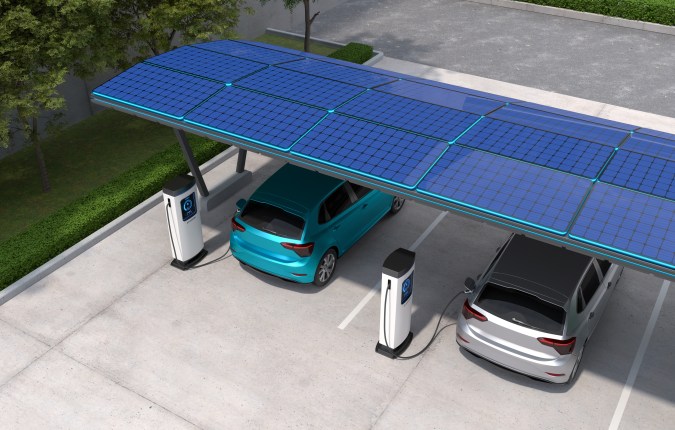
The automotive industry continues to develop more efficient and lighter technologies to integrate solar panels. Solar hybrid and all-solar electric cars expected are becoming more commonoffering greater autonomy and reducing dependence on grid energy.
The combination of solar energy with electric mobility represents a important step towards more sustainable transporteconomical and environmentally friendly, paving the way for a future where clean energy is an integral part of daily driving.
You may also be interested
· Solar electric cars could be closer than you think
· What’s coming: a self-sufficient solar garage for electric vehicles
· Ford announces pricing for F-150 Lightning home energy integration system