
In a world where road trips are increasingly common, preparing an emergency kit is not just a recommendation: it’s a necessity. According to road safety experts, carrying these supplies can dramatically reduce stress and risks during a breakdown.
We explore the most reliable options to equip you and travel with peace of mind. Based on advice from professionals and real driver experienceswe guide you through the essential components and recommended kits for cars that stand out for their practicality and durability.
Why invest in an automotive emergency kit?
Traveling by car involves unpredictable variables: from mechanical failures to extreme weather conditions. A well-stocked kit acts as your silent allycovering everything from basic repairs to basic survival needs. Think of it as an extension of your vehicle: compact, accessible and always ready.
The benefits are clear. First, it improves your personal safety by allowing you to handle minor injuries or signal your position to other drivers. Second, it saves valuable time, avoiding long waits without resources. And third, it is an accessible investment; many kits cost less than you imagine and last for years with minimal maintenance.
Adapting it to your route (for example, adding snow elements if you cross mountains) makes it even more effective. In short, it is not about paranoia, but about intelligent preparation to enjoy the road without interruptions.
Essential elements in every travel kit
A good emergency roadside kit should balance versatility and portability. Here are the basics that cannot be missedselected for their proven usefulness in real scenarios.
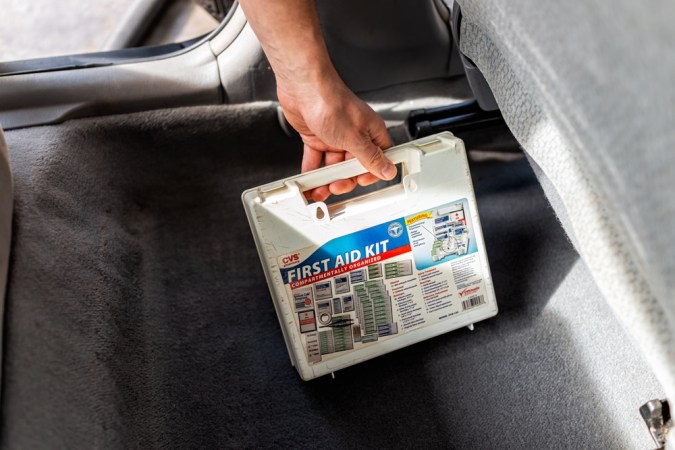
Start with a compact first aid kit. This is not just a medicine box: it includes bandages of various sizes, antiseptics, disposable gloves and pain relievers for cuts, burns or sudden pain. Choose one with more than 200 pieces to cover various unforeseen eventsand remember to check its expiration every six months.
Don’t forget the jumper cables, essential for reviving a dead battery. Look for models with color-coded clamps that facilitate safe connection, connect the positive first, then the negative to a ground point to avoid sparks. Practice using it at home to gain confidence.
Lighting is key: A rechargeable LED flashlight with spare batteries illuminates nighttime repairs or alerts passersby. For greater comfort, opt for a headband model that leaves your hands free.
In cold climates, thermal blankets and extra clothing are lifesavers. They can keep you warm while you wait for assistance, especially at high altitudes where temperatures drop quickly. Supplement with drinking water and non-perishable energy bars; One gallon per person covers 24 hours of basic hydration.
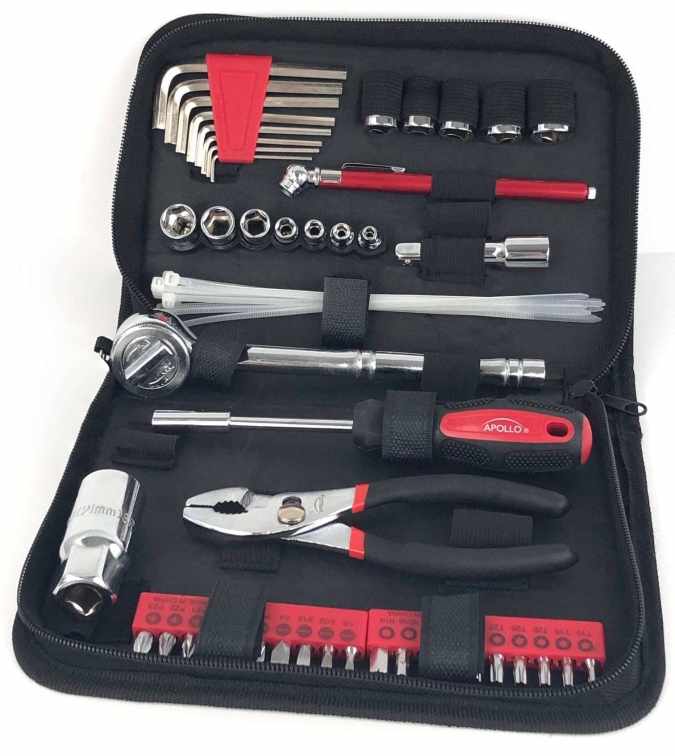
For visibility, incorporate reflective flares or warning triangles. Place them 10 meters from the vehicle to alert others and prevent collisions. And in tools, a basic set with screwdrivers, pliers and hex wrenches solves minor adjustments, such as fixing loose cables.
Top road kit recommendations
If you prefer out-of-the-box, the market offers premium options that integrate all of the above into a single package. Highlights the Haiphaik Emergency Roadside Kita robust set with jump cables, tow rope, folding shovel, tire repair kit and tools in a waterproof case. Ideal for off-road, its ergonomic design makes it easy to store in the trunk.
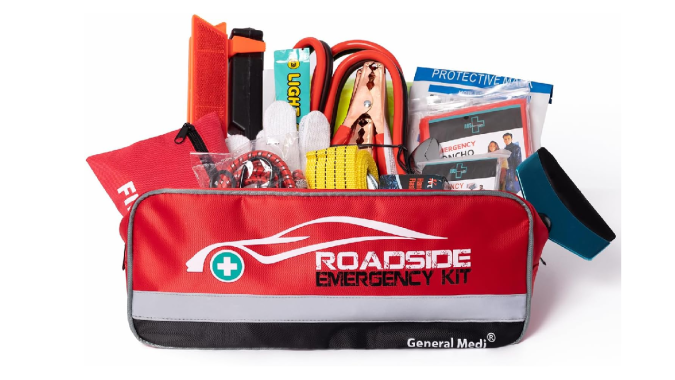
Another favorite is the Lifeline AAA Destination Road Kitwith 68 pieces including portable air compressor and pressure gauge to inflate tires in minutes. Its hard case protects against bumps, and is perfect for families traveling long distances.
For precise repairs, the Apollo Tools 56-Piece Kit shines with sockets for spark plugs and torque wrenches, meeting industrial quality standards. If you’re looking for something winter-focused, add traction chains and de-icing salt to these base packages. Accessories like a portable phone charger or an inflatable compressor ensure you’re not left in the dark. Try these on drills to get familiar.
Practical tips to maximize your safety behind the wheel
Customize your kit according to your vehicle and destination. For heavy trucks, choose higher capacity tow ropes; in desert areas, prioritize sunscreen and more water. Learn basic techniques: how to tie a trailer bowline knot or interpret hand signals with someone who helps you.
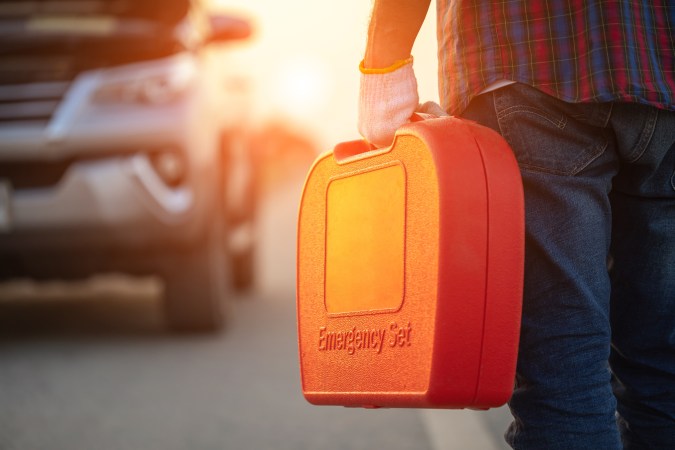
Check your equipment quarterly and travel informed: weather radar apps or mountain pass cameras are digital allies. If you go out in a group, divide responsibilities for a coordinated response.
An emergency kit is not an expense, but rather a peace of mind policy that transforms breakdowns into minor anecdotes. With selections like those mentioned, you’ll be equipped for any challenge on the road.
You may be interested in: