
Selling a car can be a key decision, but several elements accelerate its depreciation and reduce its market value. Knowing them allows you to take preventive measures to maximize the resale price. This guide details the main factors to avoidbased on analysis of the automotive sector.
Factors that accelerate depreciation
Elapsed time is one of the silent enemies of any vehicle. Even if you keep your car impeccable, Each year that passes makes it less attractive compared to new models with technological advances. Buyers prefer recent options, which creates a natural drop in value.
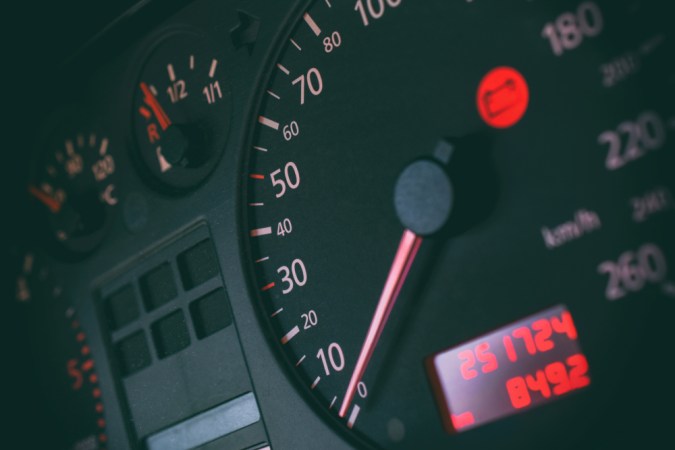
Another critical aspect is high mileage. A high odometer reading suggests greater wear on the engine, brakes and suspension, which deters potential buyers and lowers the price by up to 20% or more. Monitor this indicator so as not to exceed the limits recommended by the manufacturer.
Importance of preventive maintenance
An incomplete service history is a factor that drastically reduces resale value. Vehicles with up-to-date inspections and no mechanical failures generate confidence, while neglected ones lose appeal. Schedule regular checkups to avoid surprises.
The general aesthetic condition also matters. Scratches, dirty interiors or worn upholstery project neglect, lowering the price in negotiations. Keep the paint bright and the cabin clean to impress interested parties.
Equipment and modifications to consider
Custom modifications can be counterproductive. Even if you like an aerodynamic kit or exclusive wheels, many buyers look for original stock, which limits the market and devalues the car. Opt for universal accessories if you are looking for quick resale.
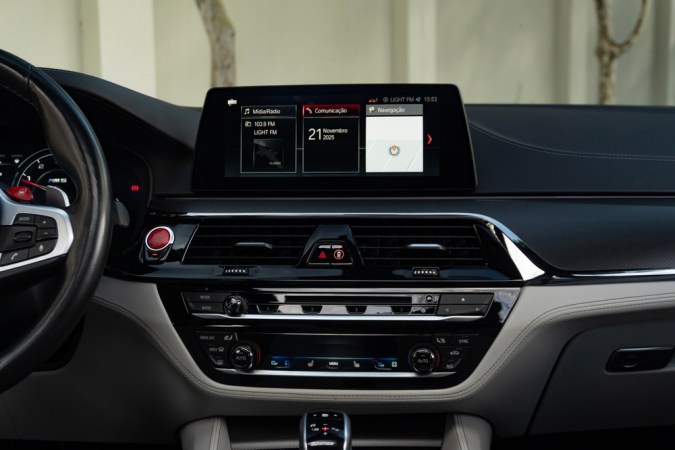
On the contrary, having modern technologies such as braking assistant or infotainment systems helps maintain value. Models with advanced security depreciate less in a market that values protection.
Influence of external conditions
Economic conditions directly affect the demand for used cars. In periods of high inflation or high interest rates, buyers postpone purchases, putting downward pressure on prices. Investigate the ideal time to sell, avoiding crises.
Choosing brands with a good reputation minimizes risks. Vehicles from trusted brands like Toyota or Volkswagen hold their value better thanks to their proven durability and consistent demand.
Strategies to maximize price
To counteract depreciation, perform strict preventive maintenance. Follow the manufacturer’s schedule and keep detailed invoicessince this justifies a higher price to inspectors or buyers.
Adopts smooth driving to preserve key components. Avoid sudden acceleration and braking, which accelerate premature wear. Additionally, protect the exterior from sun and rain with garage or covers, keeping the paint intact.
Finally, sell in the timing correct. Consult price guides such as Carfax or specialized portals to align your offer with the current market. An impeccable presentation, with professional photos and test drive, can raise the perceived value by up to 10-15%.
In short, anticipating these factors transforms the sale into a profitable opportunity. A well-maintained car not only sells faster, but at a fair price that reflects its true potential.
You may be interested in: