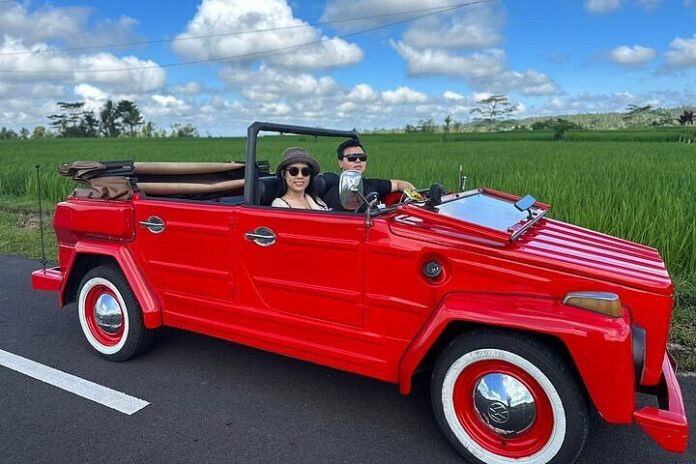
He Volkswagen Type 181 It began its history as a rugged work tool, designed for the military and the field, standing out for its boxy silhouette, foolproof resistance and magnetic personality. However, in Mexican lands, almost no one calls him by his official code; For us, this adventurer will always be, with all his heart, the Volkswagen Safari.
Throughout the 70s and 80s, this vehicle became a true cultural symbol in Mexico. It was the inseparable companion of those who sought to conquer the dunes of Acapulco, enter dirt roads or get lost in nature without the slightest fear of the mud invading the interior. But, nostalgia aside: as much as we adore it, it has its details. If you have the thorn of adding one to your collection, I will tell you what are the most common headaches that you should check before spending the money.
Main failures of the Volkswagen Type 181 (Safari) in Mexico
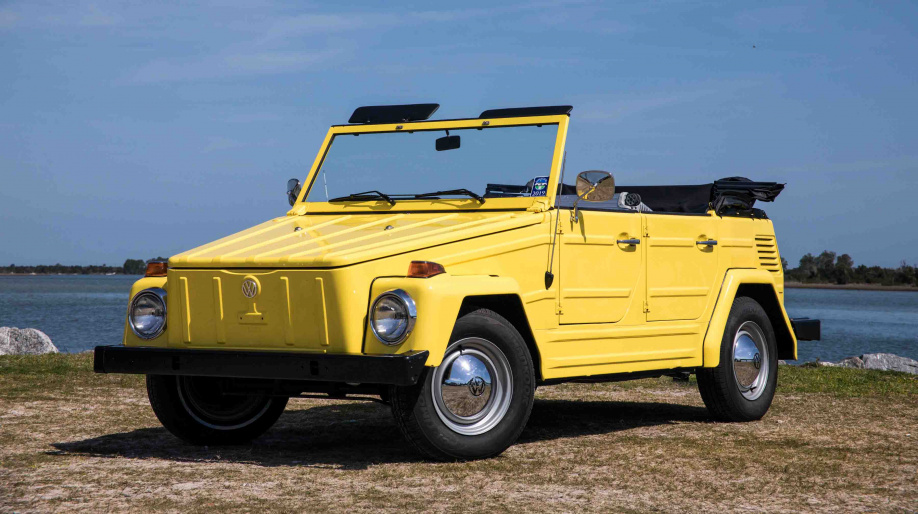
Although he has earned his reputation as a “warrior”, carrying engineering from half a century ago means dealing with certain tricks. Taking a look at the weak points of the Type 181, The community of owners in Mexico agrees that these are the details that usually cause war:
Engine quirks: By inheriting the heart of Vocho (that classic air-cooled boxer), is very prone to overheating if you get caught in heavy traffic or on very long slopes. In addition, he feels “tired” and loses strength when driving in high altitude areas, as occurs in the country’s capital.
Fatigued electrical system: Over the decades, factory wiring is often dry or “toast.” It is very normal to encounter lights that flash, a horn that does not sound, or windshield wipers that decide to stop working when you need them most.
Suspension fatigue: Its torsion bar system is robust, but the reality of Mexican streets – full of potholes, cracks and speed bumps – ends up defeating it, accelerating the wear of the shock absorbers and ball joints.
Limited braking: The use of drums in the four corners falls short of current demands. The response is slow and the distance needed to stop is considerable, so driving it requires being one step ahead of the rest.
The threat of rust: Without a doubt, its kryptonite. Especially in our coastal areas, the combo of humidity and saltpeter devours the chassis and the sheet if a good protective coating was not applied in time.
Unavoidable leaks: The canvas roof and plastic windows are more of a suggestion than an airtight barrier. If you get a typical summer afternoon downpour, you’ll almost certainly end up with a couple of drops (or a splash) inside the cabin.
Steering wheel with a life of its own: The steering box often develops excessive play. This causes the car to feel “floating”, forcing you to constantly move the steering wheel to avoid leaving the lane.
Problems with the passage of time
By tracing the classic failures of the Volkswagen Thing (the name it received in the United States), it is clear that the passage of time does not forgive anyone. Currently, coming across authentic body parts in Mexico is a real headache; Much of the original sheet metal and accessories have simply been discontinued.
This shortage has pushed many owners to patch their units with generic parts, imported components of dubious quality or homemade modifications that end up sacrificing the essence of the vehicle. Under this scenario, preventive maintenance stopped being a suggestion and became a commandment: either you constantly consent to it, or you risk being left stranded at the least opportune moment.
Is the Volkswagen Type 181 reliable today in Mexico?
If you are considering the idea of converting a Safari in your daily transportation to go to work, the reality is that it is not the brightest plan. Compared to today’s standards, this car falls far behind by not having the most basic safety features (forget about airbags or ABS brakes), not to mention the comfort or how much you spend on gasoline.
Of course, as a weekend toy it is a gem of reliability. As long as you have the mechanics ready, it is one of those noble cars that starts at the click of a button and fulfills its mission wonderfully: enjoying the road calmly and with a lot of style.
Advantages that still make it attractive
But not everything is a path of thorns when we talk about the weak points of the Safari. Its virtues are precisely what keeps it an object of desire for so many:
Hassle-free mechanics: Any master mechanic who knows the voices or at Combis In Mexico he puts his hands on it without fear. Here you don’t have to fight with computers or sensors that go crazy.
Spare parts within reach: Much of its mechanical innards are identical to those of the sedan. VWwhich means that the parts are cheap and can even be found at the corner parts store.
Legendary image: That design that breaks the mold steals everyone’s attention; The smiles and thumbs up you receive as you pass by are priceless.
Vochera brotherhood: You have the support of a huge network of clubs and fans of Volkswagen throughout Mexico, always ready to lend you a hand or give you a tip.
Pocket-friendly: If you measure it against other classic convertibles from those years, maintaining a Safari It’s not going to leave you bankrupt.
Is it worth buying a Volkswagen Type 181 in Mexico in 2026?
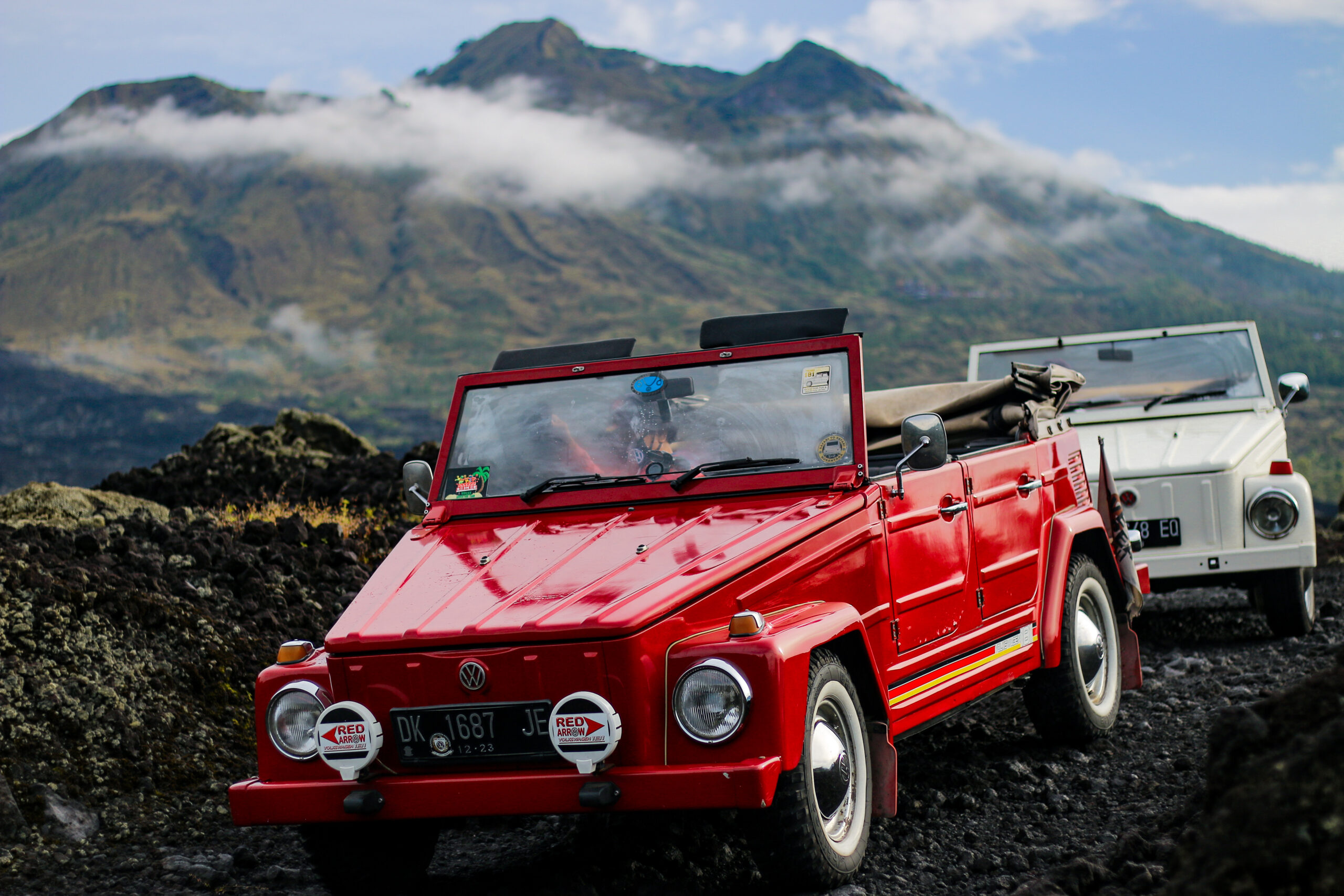
The final decision lies in how passionate you are about irons. Yes it’s worth it if you are a romantic of classic engines, if you enjoy getting your hands dirty on a Sunday adjusting some detail in the garage, or if you have a weekend refuge where you can show it off at a leisurely pace.
Instead, it doesn’t suit you If what you are looking for is speed, if you need the security of traveling on the road at 110 km/h dodging trailers, or if you do not have a covered place to protect you from the burning sun and the typical downpours of our country.
Price of the Volkswagen Safari in Mexico
The numbers in the vintage vehicle market have risen quite a bit. Already installed in 2026, costs in Mexico move in very wide ranges depending on how much life remains in the car:
Salvage projects (with sheet metal details or missing parts): They move between $60,000 and the $120,000 MXN.
Units ready to roll (good condition, but with signs of use): They oscillate between $180,000 and the $300,000 MXN.
Display pieces (total restoration and original parts): It is very easy for them to overcome $450,000 MXN.
At the end of the day, what really sets the price is how pitted the floorboards are, whether it still has its factory accessories and, of course, how intact and functional the top is.
Conclusion
He Volkswagen Type 181 (Safari) It is, in essence, a piece of history on wheels that awakens deep nostalgia, reminding us of the adventure and simplicity of times gone by.
It is true that it has obvious shortcomings in terms of speed and protection, but the vast majority of owners in Mexico agree on one thing: the joy of driving it with the wind in your face makes any water leak or brake adjustment go into the background. Know its essence, accept its tricks and, if you decide to buy it, get ready to enjoy one of the classics with the most personality that have ever walked our roads.
Editorial by Gossipvehicle