
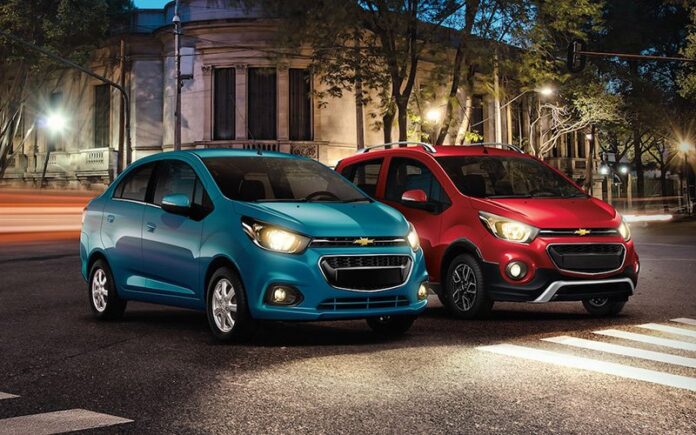
If you are on the trail of a small cart that does not leave your wallet empty and that moves like a fish in water through the streets, surely the Chevrolet Beat It has crossed your mind more than once. Since it came to light, this little guy became the darling of many people and swept sales everywhere, but let’s be honest: not everything is rosy and it also has its little details that can drive you crazy.
Introduction to the Chevrolet Beat
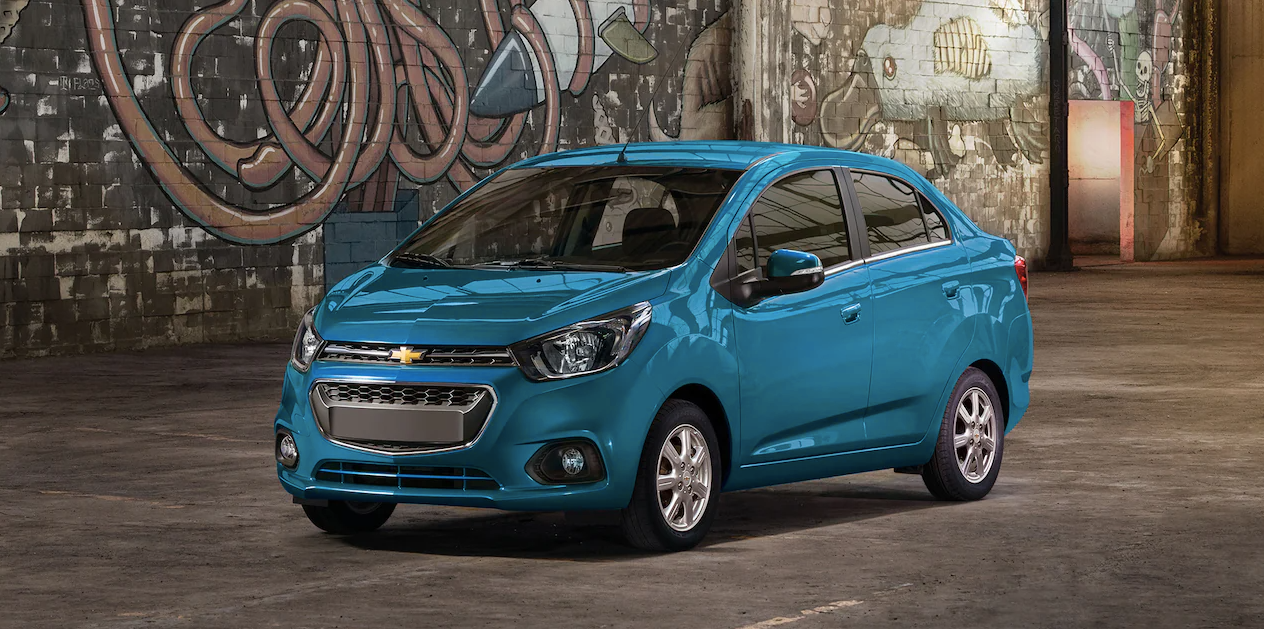
This model of Chevroletwhich dominated the streets mainly between 2018 and 2021, landed with the difficult task of filling the gap left by the legendary Spark Classic. With a much rougher façade, a screen that finally felt modern and the arrival of the variant with a trunk – which, to be honest, is deceptive on the outside but fits everything – the beat It didn’t take long for him to steal the attention of half the world.
What was the secret of its success in our region? There isn’t much science: it was the winning combo of a price that didn’t scare anyone, a little 1.2 engine that barely smells gasoline, and a style that didn’t feel boring. In the blink of an eye, it became the first love of college students, the logical choice for couples who were just starting out and, above all, the battle tool for those who make a living on platforms like Uber or DiDi.
The thing is that, amidst all the hustle and bustle and how battered our streets are, those who know about this prefer to thoroughly investigate what’s wrong before coughing up the money. Breaking into a used car always has its tricks, and there is no better shield for your pocket than knowing where they usually get into trouble. Therefore, here we give you the soup with the most common quarrels that both owners and mechanics have brought to light over time.
Main failures of the Chevrolet Beat 2018-2021
Although he is an enduring warrior, the cuts in the quality of the materials to make it cheaper have taken their toll on him with some well-known “tricks.” If you fancy a second-hand Beat, don’t go in blindly and take a look at these key points.
Fights with the box and the clutch The reality
Almost all beat What you see on the street are standard 5 speeds. Many owners complain that the lever is capricious and it is difficult to engage first or reverse. Plus, the clutch isn’t exactly high-performance; it ends quickly, it skids or the pedal becomes rock hard.
When it hits: This premature wear usually jumps between 40,000 and 60,000 kilometers, especially if the car experienced heavy city traffic or had a hard time as transportation.
The hit to the pocket: Moderate. Luckily, spare parts for the Beat are plentiful and not expensive, although the mechanic’s job for lowering the box will cost you a lot of money.
Suspension problems The reality
The potholes and speed bumps in our cities are the kryptonite of this car. Everything in the front part—shock absorbers, tires, stabilizer screws and bases—gets tired very quickly. You will notice sharp noises, as if something was hitting metal on metal when going over a bump, and on the road you will feel that the car “floats” or is not planted well.
When it hits: It is the first thing that fails. There are people who, starting at 30,000 kilometers, are already changing bushings or shock absorbers because they no longer provide one.
The hit to the pocket: Low. The suspension parts of this model are some of the cheapest you will find, so leaving it “soft” again will not leave you on the street.
Electrical details The reality
Here things vary. In models from 2018 onwards, it is common for the screen to get stuck or restart by itself, for the glass buttons to stop pulling, or for something to start consuming light out of nowhere and leave you without battery if you don’t move it for a couple of days.
When it hits: These “ghosts” have no word, but they become more common when the car is about 3 or 4 years old.
The hit to the pocket: Depends. If it’s a button or the battery, it’s a quick-change repair. But if your stereo crashes or your computer shorts out, be prepared to spend more money.
Oil consumption in the engine The reality
The 1.2 engine is a gem for saving, but some have left it “thirsty” for oil. Sometimes it is because of the PCV valve that is clogged, or worse, because the piston rings were worn out due to some heat or due to not having it serviced on time.
When it hits: It is more noticeable in cars with more than 80,000 kilometers or in those that skipped oil changes every 10,000 km.
The hit to the pocket: It can be very expensive if you have to open the engine to adjust it (rings, metals and grinding). If you’re lucky and it’s just the PCV valve, you’ll get a bargain.
Brakes that vibrate The reality
The braking system is super basic. The most reported thing is that the front discs warp in the heat, and when you brake at medium speed, you feel like the steering wheel and the pedal want to dance reggaeton because they vibrate so much. Besides, agency pads tend to squeak like an old minibus.
When it hits: It depends on how hard you press the brake, but it is normal to notice that vibration between 20,000 and 30,000 kilometers.
The hit to the pocket: Low. Having the discs rectified or buying new ones of better quality along with ceramic pads is one of the cheapest and quickest repairs you can do.
Noises in the steering The reality
This is the official headache of the Spark and the beat. It is a metallic “clack-clack” that you feel directly in your hands when turning slowly or when you go down a cobblestone street. It is almost always because the steering rack or column took play prematurely.
When it hits: Many users say that this exasperating noise begins to be noticed around 50,000 kilometers.
The hit to the pocket: Moderate to high. Changing the rack for an original one does hurt, although many mechanics manage to adjust it or change some internal bushings so that it can last a while without spending so much.
Is the Chevrolet Beat reliable?
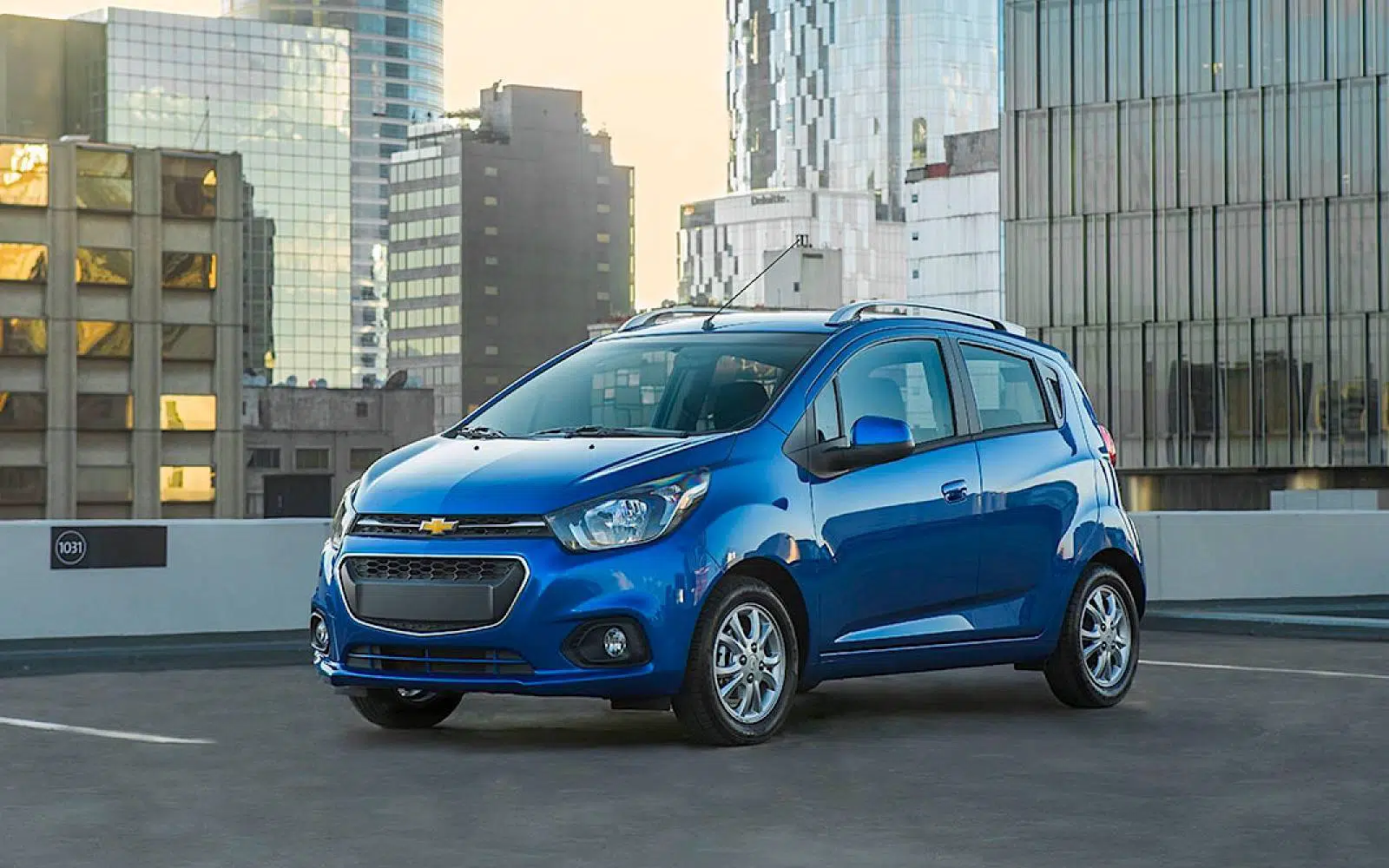
If we ask ourselves how enduring is the Chevrolet BeatThe bottom line is that it does comply, but with its “buts.” According to what thousands of owners and those who tinker with the engines say, this car is mechanically simple, and that is a plus in its favor. It’s not one of those who leave you stranded in the middle of the avenue just because, as long as it doesn’t lack its oil and antifreeze. Of course, where it falters is in the duration of the “surrounding” parts, such as the suspension, the plastics that rattle or the clutch that gets tired quickly.
If we put it to you with others of his kind, the thing is like this:
Against the Nissan March: He March It has a 1.6 engine that is a bullet and much tougher to abuse. The bad thing is that it swallows more gas and inside it already feels from the last decade.
Against the Hyundai Grand i10: He i10 It feels much “finer” when handling it, with better materials and without so many wagon noises in the suspension, although the beat It usually works out cheaper when you look for a used one.
Against the Suzuki Ignis: He Ignis It spends less than everyone else and comes with better technology, but be prepared when you need a spare part, because they are usually more expensive and difficult to find than the ones on the market. Chevy.
In short, the beat It is a faithful car as long as you are not careless with its services and understand that it is a city warrior, not a war tank to give it scary treatment.
Advantages of the Chevrolet Beat
To be honest, not everything is throwing dirt at it. If this cart got tired of selling like hot cakes, it was for compelling reasons that still make it a very attractive option today:
Gasoline consumption to envy: In the real world, walking around the city, the beat It easily gives you between 14 and 16 km/l, and if you go out on the road and don’t push it too hard, it stretches up to 19 km/l. With how expensive things are, having a car like this is a huge relief for your wallet.
Painless maintenance: You can find spare parts, filters and even body parts in the soup. Any mechanic, no matter how simple his workshop is, knows how to move these engines. General Motors; That makes them not want to see your face with labor and makes everything cheaper.
It drives quickly in the city: Since it is small, it turns around in a flash and has that electric steering that is silky, it moves like a fish in water. It’s the king of squeezing into those tight parking lots where others don’t even try and squeezing through heavy traffic.
Is it worth buying a used Chevrolet Beat?
Without a doubt the answer is a resounding yes, but be careful: as long as you know how to separate the gold from the chaff. Buy a beat Used is a masterstroke for your wallet if it is your first car, if you go to university or if you just want a second car for daily trips, but stay away from units that were squeezed into transport platforms without receiving a single mechanical love.
Here I give you the best “tips” so that you don’t get screwed:
Trace your past: Try to find out if the car was Ubered. These cars usually have very high mileage in disguise and greater structural fatigue. An infallible trick is to check how worn the pedals, steering wheel and seat are; If you see that they are smooth or broken in a car that says it reads only “40,000 km”, rest assured that they have had a hand in the odometer.
Trial by fire on ugly streets: Turn off the stereo, lower the windows a little and look for the street with the most potholes or speed bumps you can find. Pay full attention to any strange noises in the steering (the famous rack that sounds “clack-clack”) and in the suspension.
Look inside: Remove the bayonet from the oil; Ideally, it should look amber or dark brown, but avoid if it looks like a thick, black paste. With the engine very cold, open the radiator cap and check for antifreeze. If you see pure tap water or traces of rust, better look for another one, because that motor is going to heat up more than an iron in the future.
Don’t forget the “little toys”: Press all the glass buttons, make sure the screen doesn’t get stuck and, above all, turn on the air conditioning. It should cool quickly and without the compressor making tractor noises.
Conclusion
The truth is that the Chevrolet Beat (2018-2021) It is a “right” car: it gives you exactly what you are buying, no more and no less. It is basic mobility, super-saving and with maintenance that won’t keep you up at night. Although we already know which foot it limps on – especially with the suspension, the clutch and that steering tin – the great advantage is that none of that is going to leave you in ruin, because there are plenty of spare parts even under the rocks.
If you already have your guard up about these little details and ask a trusted mechanic to take a clinical look at it before letting go of the wool, you will be getting a very practical city ally and, believe me, your wallet will thank you a lot.
Editorial by Gossipvehicle